
Biodiversity
Biodiversity refers to the variety of life on Earth and is crucial for the health and functioning of ecosystems and the well-being of human life. Recognising the importance and value of biodiversity here in Australia and taking steps to conserve and protect it is crucial for our future.
What is biodiversity?
Biodiversity includes all the animals, plants, fungi and microorganisms that make up our ecosystems and work together to support life.
Biodiversity includes:
• Species diversity. This refers to the number of different species within a particular area. Each species represents a unique evolutionary path and contributes to the overall diversity of life on Earth.
• Genetic diversity. This refers to the variety of genes within a species. Genetic diversity is essential for species to adapt to changing environmental conditions and ensure populations’ long-term survival.
• Ecosystem diversity. This refers to the variety of ecosystems within a region. Different ecosystems, such as forests, grasslands, and wetlands, support a distinct assortment of species and play specific ecological roles.
Biodiversity is essential to sustaining the living networks and systems that provide us with health, food, wealth, fuel, and the vital services our lives depend on.
Find out more about biodiversity.
Australia’s biodiversity
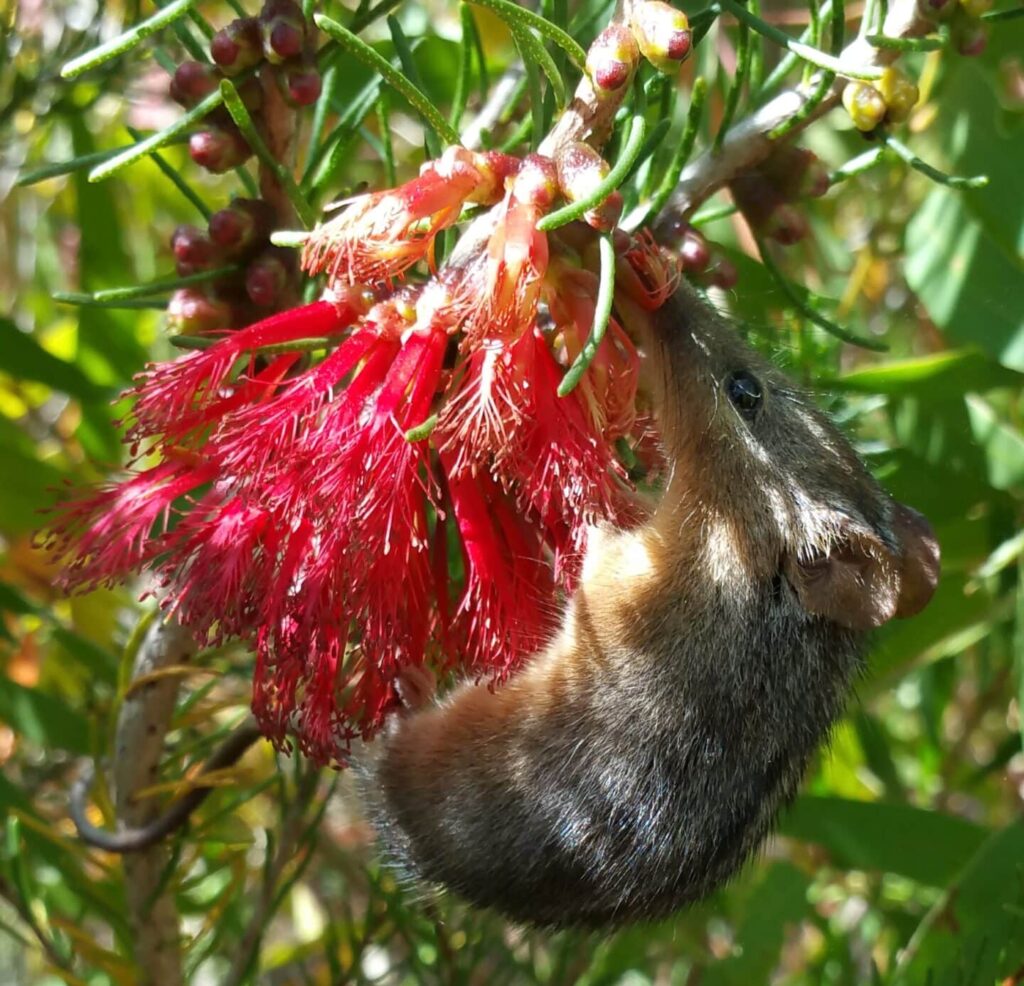
Australia is known for its unique biodiversity. Our isolation from other land masses for millions of years has led to the evolution of many distinctive plant and animal species found nowhere else in the world.
Australia is one of 17 megadiverse countries globally, with 85% of its plant endemic to the continent and home to half of the world’s marsupial species.
Some of our most iconic flora species include the eucalyptus, gum and wattle trees and our fauna the kangaroo, koala, and wombat. Yet these species are at risk of extinction. Since European colonisation, Australia has suffered the largest decline in biodiversity of any continent, including the highest rate of extinction in the modern world.
CSIRO research shows that by 2070, the impacts of climate change on Australia’s biodiversity will be widespread and extreme with implications for us as humans.
Why biodiversity loss should matter to you
subheading
As humans, we rely on biodiversity to survive. We are all connected in an extensive natural system where each element supports and enables us all to thrive. Here is why biodiversity loss is important and why it should matter to you.
Biodiversity loss has far-reaching implications that affect our health, livelihoods, culture, and economy.
Recognising the importance of biodiversity and taking steps to conserve and protect it is the only step forward.
We need biodiversity. But biodiversity also needs us.
What can you do to protect biodiversity?
The conservation of biodiversity is the responsibility of all Australians because our survival as humans is dependent on the survival of biodiversity.
The Biodiversity Council reported in June 2023 that 97% of Australians want more action to protect biodiversity, and most consider that every person in Australia has a responsibility to act, including all levels of government.*
Often the most challenging part can be knowing where to start so we have put together some actions you can take to contribute to protecting biodiversity in Australia.
1. Educate yourself. Learn about the importance of biodiversity, the role of ecosystems, and the impact of human activities on the environment. Stay informed about both local and global environmental issues.
2. Reduce your carbon footprint. Everything we do in life has an impact. From our daily commute to what we buy at the grocery store, our lifestyle choices contribute to our carbon footprint. Australians have one of the highest personal carbon footprints in the world, but we can change that. Start by calculating your carbon footprint and taking steps to minimise your carbon emissions.
3. The three R’s. Use water, energy and other natural resources responsibly. Reduce waste, and practice the three R’s: Reduce, Reuse, and Recycle.
4. Shop sustainably. Support products made from eco-friendly materials, prioritise items with minimal packaging and opt for products from companies with strong sustainability practices.
5. Support Local and Sustainable Food. Whenever possible, opt for food that is locally sourced, organic, and sustainably produced.
6. Create wildlife friendly spaces. Plant native species in your garden to support local wildlife. Provide water sources such as bird baths and create habitats that attract pollinators and other native animals.
7. Volunteer your time. Volunteer for local conservation organisations, participate in cleanup days, tree planting or habitat restoration initiatives.
8. Advocate for biodiversity and nature. Use your voice to support policies and initiatives that support biodiversity conversation, habitat protection and sustainable practices in your community.
9. Take responsibility. When enjoying nature, whether that be camping, hiking, mountain bike riding or trail running, follow the ‘Leave No Trace’ principles to minimise your impact on the environment.
10. Support conservation organisations. Contribute to a better tomorrow today by supporting environmental organisations making a difference. You can donate native seedlings to get started.
*202305_biodiversity_concerns_survey_report.pdf (biodiversitycouncil.org.au)
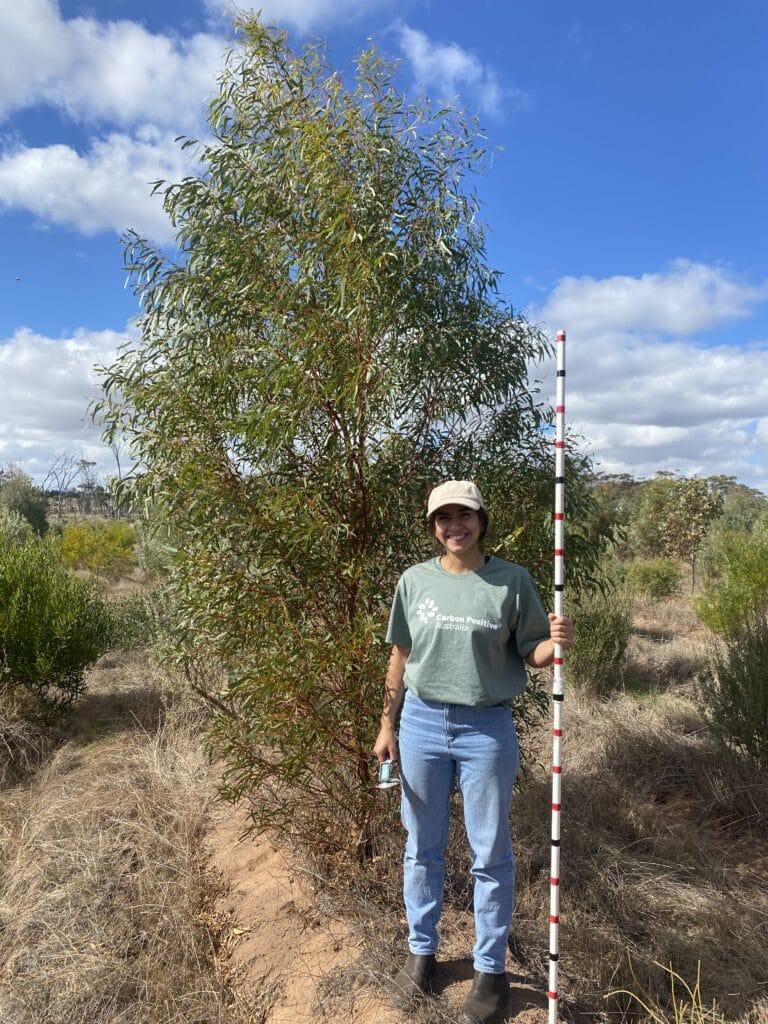
Remember that small actions can make a significant difference.
By making conscious choices and advocating for the protection of biodiversity you are contributing to a better tomorrow.
Whether you are an individual, business owner, or community group, you can join us by taking a proactive and sustainable approach to protecting biodiversity right here in Australia.