


So, what is a pocket forest?
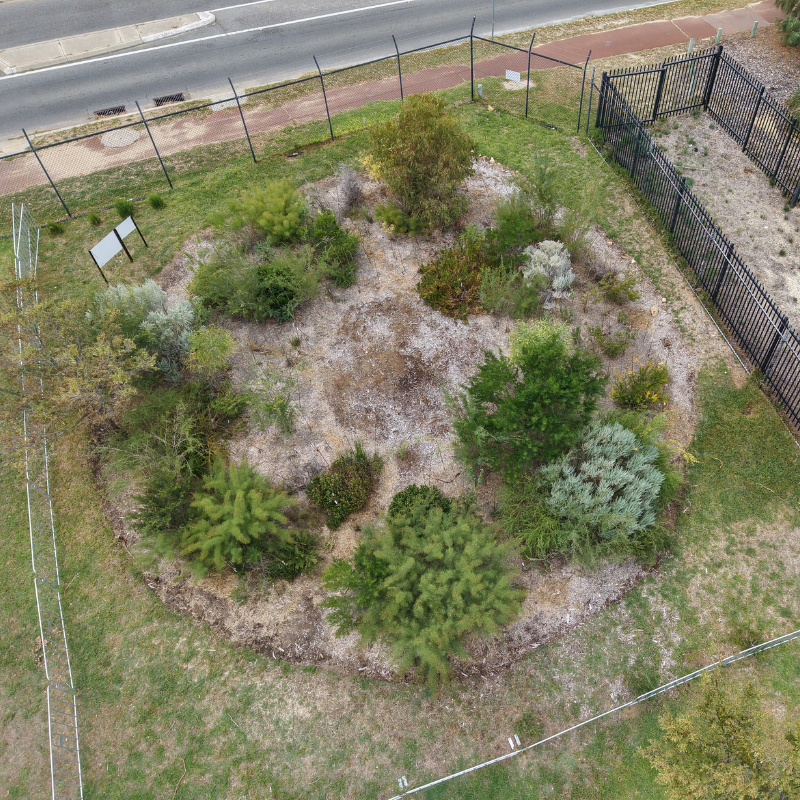
A planting partnership between Dr. Grey Coupland and Carbon Positive Australia.
A pocket forest is a small native forest ecosystem that aims to recreate the natural layers of forest vegetation (ground covers, shrubs, and canopy trees), planted at high density with thoughtful soil preparation. Unlike typical urban trees scattered along footpaths or ornamental park gardens, these forests mimic how nature naturally organises itself.
A standard suburban backyard could accommodate a thriving pocket forest that supports dozens of native species while creating noticeable cooling effects for the surrounding area. It’s a powerful way to bring nature back, right where we live.
With extreme heat becoming the leading cause of weather-related hospitalisations across Australia, creating cooling green spaces in our communities and around our homes has never been more critical.
Whether you call them pocket forests, tiny forests, community forests, Miyawaki forests, or microforests, these small native ecosystems can transform your outdoor space while providing critical habitat for Australia’s unique wildlife and helping to cool your immediate surroundings. That’s why we sat down with our planting partner Edwina Robinson, who has successfully planted pocket forests in her own suburban home garden and is expertly placed to share that journey with us – including ideas, learnings, and inspiration to help you do the same.
Q: What’s the smallest space needed to create a pocket forest?
Edwina: You can work with as little as 2 x 2 metres, but ideally, 3 x 4 metres will give you a more meaningful density. My advice? Work with what you’ve got! Don’t let limited space stop you from creating something beautiful. The bigger the better, but don’t feel like you can’t start if you don’t have a huge area.
Stephy: I agree – don’t feel limited by your space. But if you’re working with a really tiny area, you might want to pivot slightly. Consider creating a pollinator patch instead of a full pocket forest. You can use your space to plant smaller flowering natives that will still support local wildlife and look gorgeous, rather than trying to squeeze in the dense, multi-layered approach of a true pocket forest.
Q: How important is it to plant species that are native to the local area?
Edwina: Planting local natives is hugely beneficial because they’re already adapted to your climatic conditions and soils, plus they support the wildlife specific to your area. But it also depends on what you’re trying to achieve. Are you specifically wanting to attract local pollinators and birds? Here’s something interesting to consider: cultivars can actually scare away smaller bird species. Take grevilleas, for example – the big showy cultivars tend to attract larger, more aggressive birds that can intimidate and drive away the smaller, more delicate species.
There’s also the concept of “climate-ready” planting which is quite complex and probably too much to dive into here, but the general rule is: local natives first.
Stephy: Speaking of climate-ready planting, someone dropped this in the chat during our session that’s perfect for this! It’s called Which Plant Where and it’s a tool for helping you choose plants that can handle our changing climate, especially for streetscapes. Thanks for that one, Keith! I’d also add that local natives are often more drought-tolerant once established, which means less watering and maintenance for you in the long run.
The other thing to note here is that the traditional Miyawaki method aims to recreate what grew naturally in that exact spot before land clearing. This is known as potential native vegetation (PNV). However, this approach isn’t always practical. You can still apply core Miyawaki principles like high-density native planting and thorough soil preparation to establish thriving multi-layered ecosystems.
Q: Where can I find species lists for native/indigenous plants specific to my region?
Edwina: Your local council and government departments can be an absolute wealth of knowledge, or they can direct you to the right resources. Feel confident about contacting them. Local nurseries are the same! As a starter, you can check out this Plant Database and for ACT folks, there’s the Climate Wise Garden Designs Booklet.
Stephy: I’d also highly recommend finding and joining your local bushcare group. You’ll meet people with loads of knowledge about local species, learn heaps, and get practical ideas for what you can do at home. It’s also a fantastic way to meet like-minded people in your area who care about the environment beyond just their own backyard.
If you’re in WA, definitely check out ReWild Perth and the Waterwise Plants WA resource.
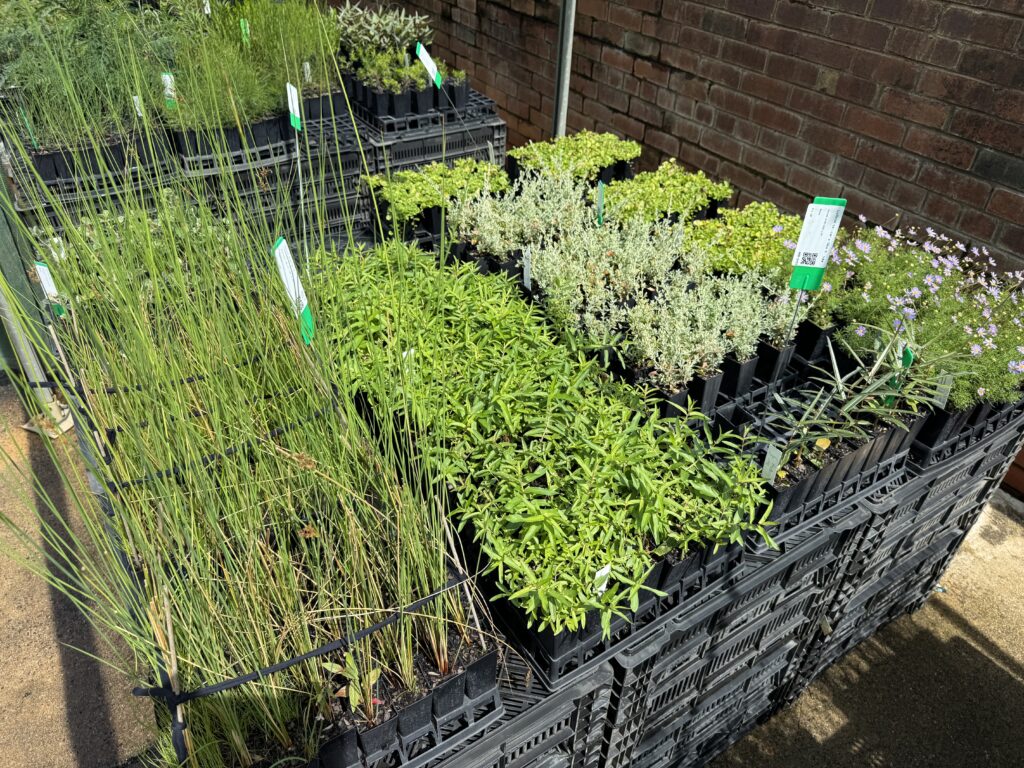
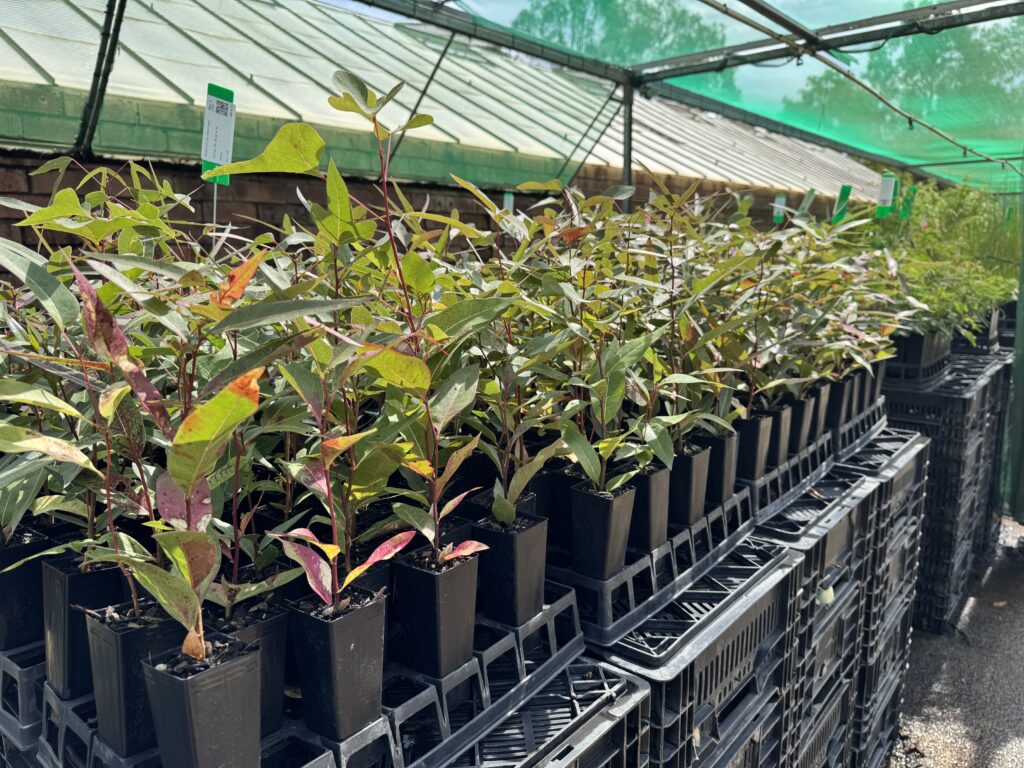
Native seedlings at Yarralumla Nursery being prepared for the Dunlop community pocket forest. Photo by Edwina Robinson.
Q: I want to plant a pocket forest on my verge. What do I need to consider?
Edwina: Nature strips or verges perform a number of important roles. Firstly, they’ve often got a whole lot of services running underneath them and are carefully thought out so that cars can see people and also so that pedestrians have a safe walking path along the street. If all of a sudden you’re planting a whole lot of plants there, it can increase safety risks. So basically, I’d say nature strips are best for low plants. Many councils only allow you to plant up to 30cm, which doesn’t give you lots of options, but I’d be saying keep your planting low on your nature strip. If you do have council approval for taller plantings, aim for a mix of groundcovers, shrubs, and small trees to create layers and variety. Choose plants that flower at different times of the year to attract pollinators year-round. Always check your council’s guidelines for verge planting.
Check out this resource: How to choose the right plants for your Australian microforest.
Stephy: This is a great point. Make sure you understand your council’s rules around things like sight lines, crime prevention through design, and any fire-risk plants they might require you to avoid. Many councils have specific guidelines about what can be planted on nature strips versus what requires special permits. The last thing you want is to put in all that work only to be asked to remove plants later. Also, consider your neighbours. A quick chat about your plans can prevent any misunderstandings and might even get them excited to join in.
Q: What does soil preparation involve?
Edwina: First step is removing the grass. It’s really important to understand your soil type and qualities so you can adjust accordingly. This gives you an indication of how much you need to improve your soil structure and with what. Additions are usually things like compost, or water retention materials. The goal is to create a living, well-structured soil environment. You want to boost microbial activity and transform compacted earth into a light, aerated medium that allows water and oxygen to move freely through the soil profile. This improved structure supports stronger root development and healthier plant establishment.
Stephy: It’s also important to know your plant species’ specific needs and preferred soil profiles. For example, Proteaceae, like banksias, are phosphorus-sensitive, so you need to be careful about what fertilisers or composts you use. Your local gardening store should have soil testing kits to help you understand what you’re working with.
Q: Any tips on using biochar to prepare the soil?
Edwina: Biochar can be beneficial for improving soil structure however, I haven’t personally used this material, so I can’t share firsthand experience.
Stephy: Gardening Australia has a great video on biochar that explains how to use it: ABC Gardening – Beneficial Biochar.
Q: How should I prepare an area that’s currently planted with couch grass?
Edwina: There are a few approaches. If you want quick and dirty results, you can manually remove it using a mini-digger or turf remover. But if you’re patient and like me, prefer a no-dig approach, you can solarise the grass. Water it, cut it short, then cover it with black plastic tarp. The sun’s heat kills everything underneath. Depending on your location, this might take up to 6 months, but it’s worth it for the results. Couch grass is particularly stubborn, so whatever method you choose, be thorough. Even small fragments can regrow, so patience and persistence are key.
Stephy: It’s so stubborn! Sheet mulching is also an option. You basically cover the grass with thick cardboard, then layer several inches of organic material like compost, wood chips, or soil on top.
Here’s a great video showing both methods: ABC Gardening – Beating the Weeds.
Q: Do you suggest removing established non-native trees, or planting around them with natives as infill?
Edwina: Either approach can work. It really depends on what you want to achieve. If you’re creating a true pocket forest using the Miyawaki method, you wouldn’t incorporate non-native species because the method specifically prescribes planting locally native species.
If you like your existing trees and they’re non-invasive, the infill approach can definitely be valuable. You can gradually increase native plant diversity and coverage while preserving the established shade and structure that mature trees provide. Should you later decide to transition the space to natives over time, infill allows you to slowly create a fully native ecosystem without losing the immediate benefits of your existing canopy.
Stephy and Edwina attended to learn from international experts.
Q: How can we incorporate native pollinators in our pocket forest?
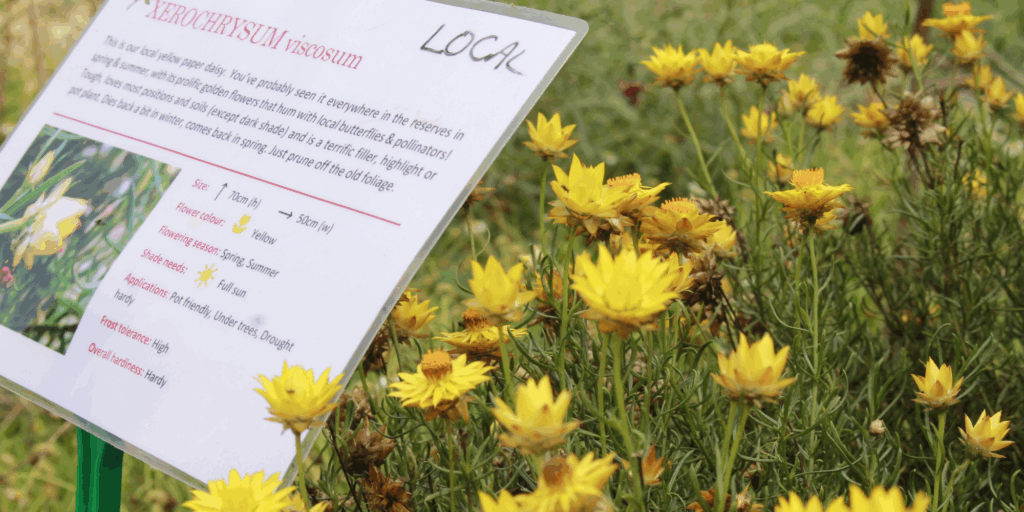
Edwina: It depends on what native pollinators you’re targeting. They’re generally attracted to flowering plants that like sun. Think plants like westringia, correa, native daisies, grasses like kangaroo paws, and hardenbergia. But plant them on the edges of your forest where they won’t get smothered by larger plants. You can also create separate garden beds or pollinator patches that get lots of sunshine. Consider the timing of flowers too. Try to have something blooming throughout the year rather than everything flowering at once. This provides consistent food sources for pollinators. A flowering calendar for your local natives can be really helpful for planning this.
Another important thing to remember, which Dr. Kit Prendergast always emphasises, is that native bees need bare ground for nesting. So remember to leave some spots mulch-free for native bees. You can find out more about Dr. Kit and her research here.
Stephy: If you’re based in VIC, check out this resource by Gardens for Wildlife Victoria.
Q: Can I create a pocket forest using containers and pots instead of planting in the ground?
Edwina: Not really, unfortunately. You can’t truly replicate a tiny forest in pots. The principles of a natural forest (dense planting, deep root systems, soil ecosystems, and self-sustaining growth) really rely on being planted in the ground. Potted plants can mimic some aspects, like creating different heights and layers, but you miss out on the underground connections and ecosystem benefits. However, growing native plants in pots can still be a great way to create green spaces for insects, especially if you’re renting and can take them with you when you move.
Q: How can I convince other household members that this is a good idea?
Edwina: Oh, this is such a great question, but it’s so nuanced! First thing I’d suggest is really looking at how your outdoor spaces are actually used. If you’re wanting to replace lawn that others actively use, you could suggest moving picnics and activities to nearby local parks as a way to reduce the maintenance costs of keeping up that lawn.
Stephy: Understanding the cost savings can be a really compelling argument. For example, planting natives over lawn typically reduces costs associated with watering, fertilising, and ongoing upkeep. Also, if you’re removing concrete or paved areas, that can have a very noticeable localised cooling effect, which people really appreciate once they experience it.
Sometimes starting small helps too. Maybe begin with just one corner or area that’s not heavily used, and let the results speak for themselves. Once people see the wildlife, reduced maintenance, and cooling benefits, they often become enthusiastic supporters.
Q: How can I approach my council about making land available for community forests and food hubs? I want to see more of these!
Stephy: Such an important question! From my experience, the best starting point is finding local, like-minded people to share your vision with and get them on board. Finding like-minded people can be easier than you think. Try posting about your idea on local Facebook community pages or search for existing bushcare and gardening groups in your area. Community support is incredibly powerful, and when it’s time to approach council, you want to demonstrate that there’s genuine community interest behind the idea.
You can attend council meetings, join community advisory groups, or connect directly with councillors to start conversations about making land available. Come prepared with examples of successful projects from other councils, potential sites you’ve identified, and a clear plan for ongoing maintenance and community involvement. Councils respond well to proposals that show you’ve thought through the practical details.
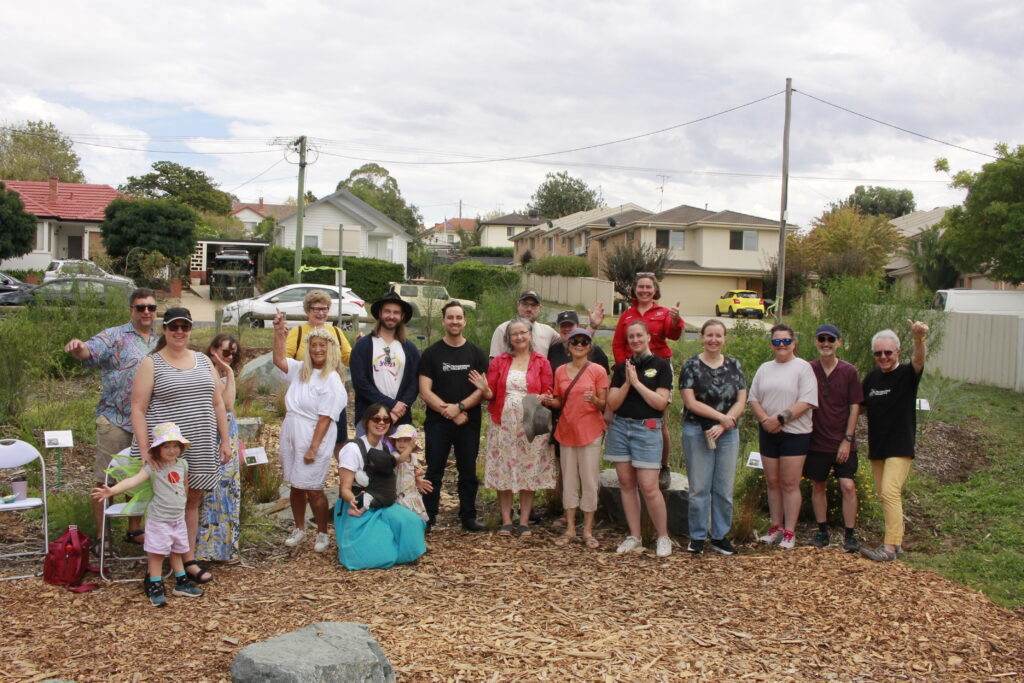
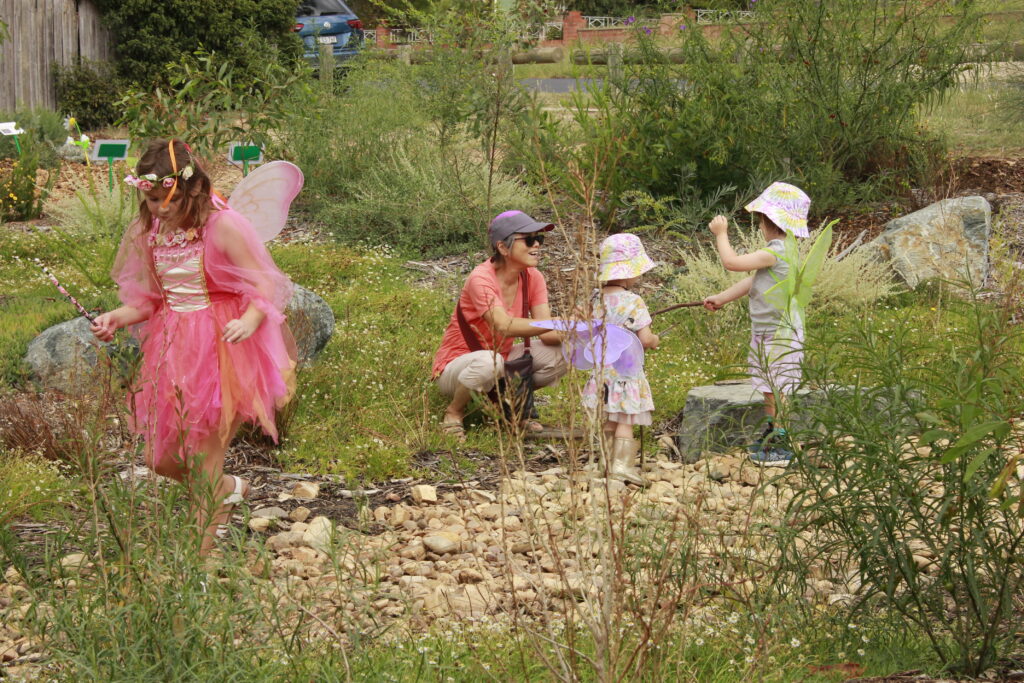
An example you can share with your council is this successful project led by local residents Mitch and Bec Porteous, the Queanbeyan community pocket forest.
Neighbours joined forces to transformed a 526m² underutilised space in their local park into a thriving microforest and valued community gathering place.
So, where to from here?
Creating your own pocket forest is one of the most rewarding ways to take climate action right where you live. Whether you’re transforming a small corner of your backyard or planning something more ambitious, every native ecosystem you establish makes a difference – for cooling, for wildlife, and for your local community’s resilience.
Remember, you don’t need to be an expert to get started. Connect with your local nursery, join a bushcare group, or simply begin with that patch of lawn you’ve been thinking about replacing.
At Carbon Positive Australia, we are actively partnering with forest makers across the country to establish community pocket forests in heat-vulnerable communities that need them most. Stay connected with us through social media or join our mailing list to hear about upcoming projects. You never know, we might just be planning something in your neighbourhood that you can help bring to life!
And if you do decide to start a community pocket forest project, we’d love to hear about your journey. Sharing these stories helps inspire others and grows the movement that’s transforming Australia’s urban landscapes – one native plant at a time.
