Lawun (Sit together)… Kungun (Listen)… Kudun (Share)… Yanun (Speak)… Mah (Do)
In five Tanganekald words, Uncle Clyde Rigney, a senior Ngarrindjeri Elder, describes succinctly a process that others pay thousands of dollars to management consultants and for sharp web apps to attempt. He explains to us that we need to focus on building relationships, and that we need to reach across the divides that threaten to degrade our society if we are to make a difference, to have an impact. We need, especially these days, to ‘Mah’.
Clyde’s wise words were shared with a small group as they began discussing the design of a transformative project at Raukkan, a regional community in South Australia. Clyde’s compelling vision is to establish a ‘Conservation Community’ on the banks of the mighty Kurangk (Coorong) waters.
How did we get here?
The journey of the Ngarrindjeri people has been long and, in recent generations, turbulent and tragic. Raukkan was converted into the Point McLeay Christian mission, attracting and then containing Aboriginal clansmen and women from across Ngarrindjeri Ruwe (Country).
Yet Raukkan had always been much more than a mission site. Traditionally an ancient meeting place, Raukkan was where the eighteen Lakinyeris (clans) would gather, coming down the river from Yaralde country, up the Coorong from Tangani country, through the (Murray) mouth from Ramindjeri country.
The word Ngarrindjeri itself means a coming together of people, recognising a rich and diverse culture that existed in the region before European settlement. Clans regularly converged at this central meeting point of several waterways for Tendi (Governing Council). This was also where many of Ngarrindjeri found their final resting places.
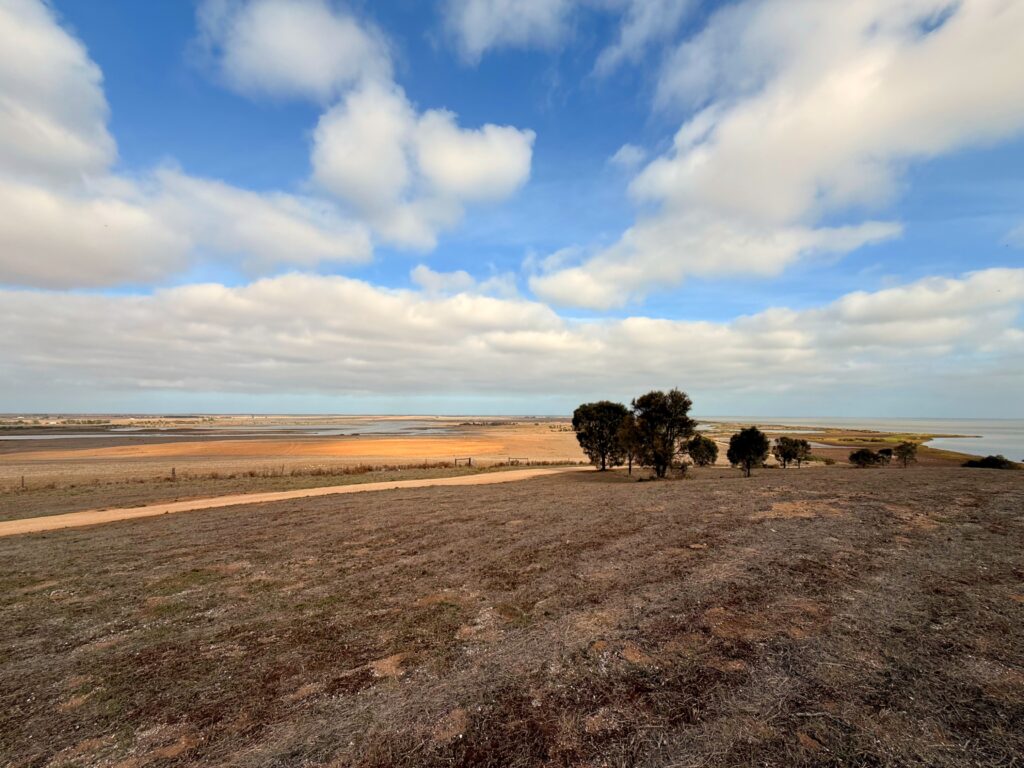
This land was rich and abundant with wildlife, with water and forests meeting across the vast landscape. While the Kaurna people were being forced from their ancestral homes in the plains where the city of Adelaide now sits, the Ngarrindjeri clans suffered a more insidious fate as their lands were stealthily occupied while their people were herded onto mission stations like Raukkan ‘for their own good’. This imposition of European societal values brought with it European land use. Dairies and sheep farms were established, followed by grain cropping and mechanical farming. Forests were cleared and wetlands drained. The area became dry and infertile, with the biodiversity and community connection to Country damaged, but never broken.
Things began to change
In 2017, the native title rights of the Ngarrindjeri people were finally recognised by the Federal Court of Australia. While by no means a slam-dunk, this development enabled the Ngarrindjeri clans to come together within a Western-style corporation, led by a team of directors that accepts all Ngarrindjeri common law holders as its members.
Slowly, slowly, the corporation became established and in mid-2025, Ngarrindjeri Aboriginal Corporation (NAC) established its first ranger team. The corporation reached out to Carbon Positive Australia (CPA) to explore how it could restore Country on its own terms while developing nature-based commercial opportunities across the vast Ngarrindjeri estate.
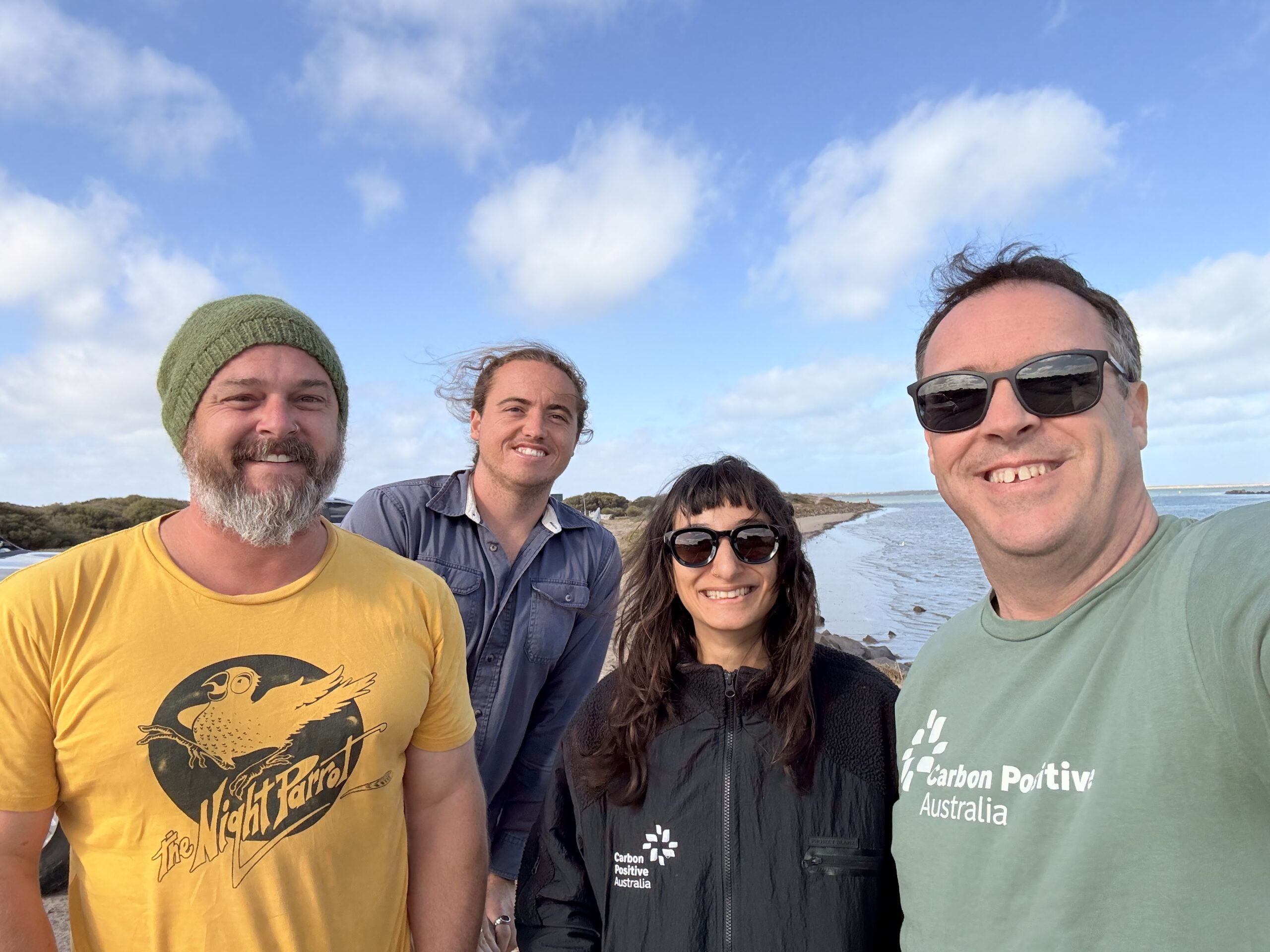
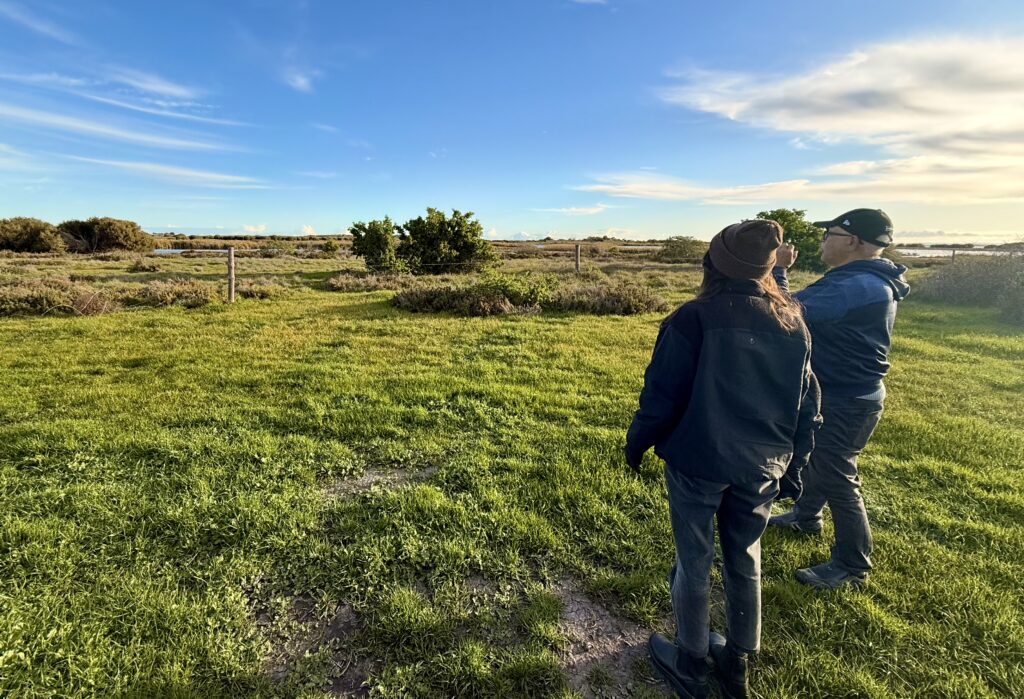
CPA is committed to a cohesive partnership approach, focused on nature, community and climate impacts. The corporation identified Raukkan as a place where CPA and NAC, in partnership with a renewed Raukkan Community Council under Uncle Clyde’s leadership, could explore how to restore Country while creating economic wealth for the community. The groups began to feverishly meet in Murray Bridge, in Perth, and at Raukkan to walk the ground, to share ideas, (to drink a lot of coffee!), and to follow Uncle Clyde’s timely advice. The groups sat together, they listened, they discussed, they spoke, walked, (videoed from drones), agreed, disagreed, and ultimately found their peace.
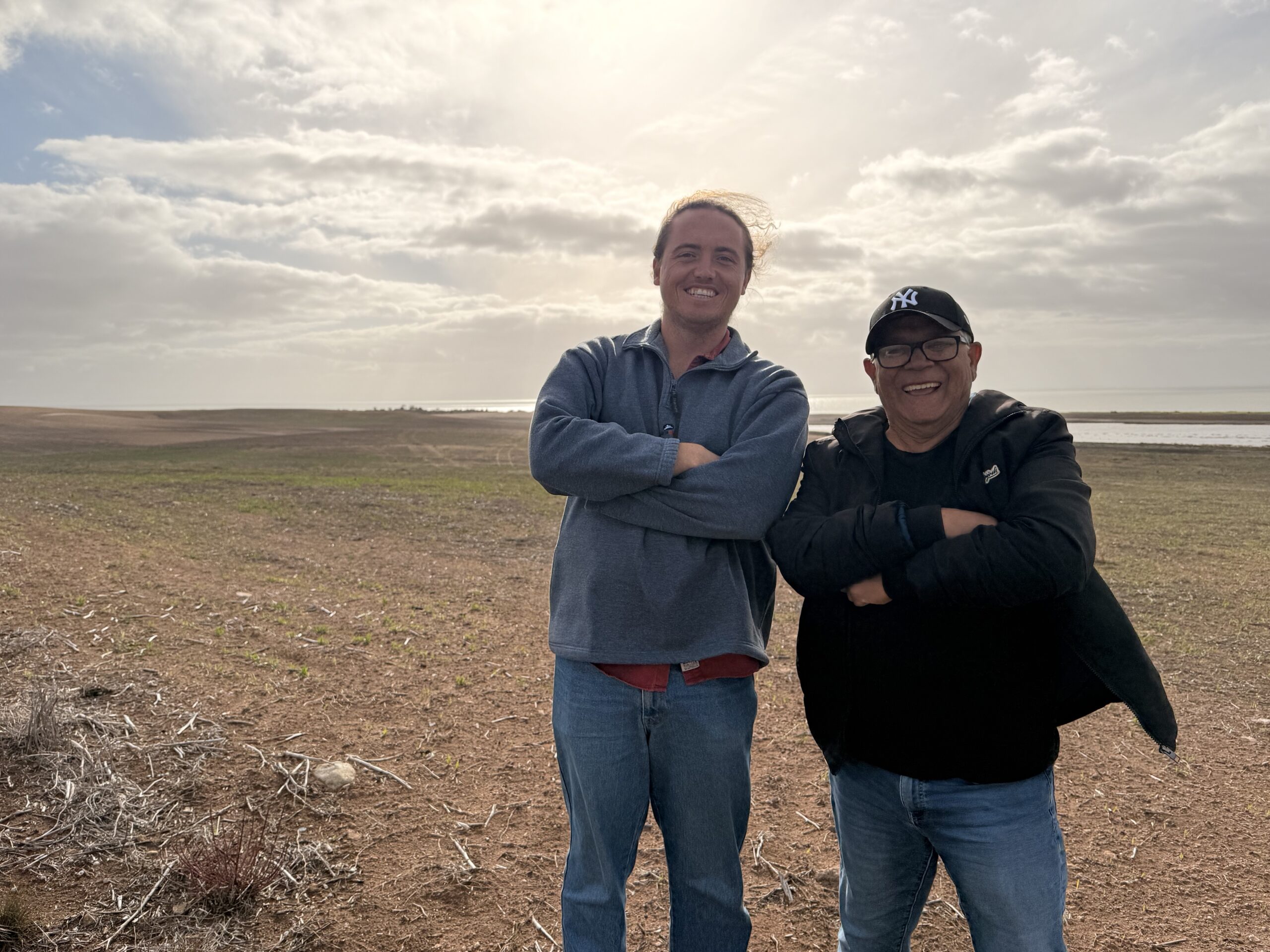
As Clyde and some of the Carbon Positive Australia team stood at the site for a new community pocket forest in the mid-winter of 2025, the sun shone through, the water shimmered, black swans took a leisurely swim, and everyone’s Miwi (sense of spiritual wellbeing rooted in cultural connection) was strong and settled. This was the place, and this was the time, to Mah. The site of a traditional meeting of the Ngarrindjeri lans, this would be the place to begin the restoration of the traditional lands of Raukkan and to build forests and wetlands that, this time, will last in perpetuity. Raukkan is to finally become a Conservation Community under the control of its own People.
A partnership approach
Of course, there’s so much now to do! As the CPA team begin to plan to support the delivery of Clyde’s vision, the scale of the undertaking has come quickly into view. There’s over 2,000 hectares of undernourished farmland to be restored, complex water systems to be managed, existing forest assemblages to be recovered from years of degradation. It’s all possible, but only by building up deep strategic partnerships.
Already, the project is building momentum. Carbon Positive Australia and Raukkan were encouraged to welcome interest from the nearby Forktree Project to assist. Forktree is a sensitive, holistic land restoration project and nursery under the inspiring leadership of renowned conservationist, Tim Jarvis. Tim and his team quickly jumped aboard, offering to provide nursery space to grow seedlings, support for the Raukkan community’s wetland recovery aspirations, and to begin developing capability for Raukkan and NAC to establish their own nurseries and seed collection programs, repurposing the very farming buildings that underpinned previous degradation of this spiritual land.
As the partners were meeting recently at Raukkan, Ngarrindjeri Aboriginal Corporation‘s new ranger team also gathered in Goolwa to begin defining its own identity, including meeting with Elders and deciding on key totems to use in their logo. Some of the CPA team was also in attendance, beginning to learn about how the rangers would like to be involved in forest and ecosystem restoration across their region.
Already, the collective group is looking at when to deploy new technologies like eDNA and machine learning, how to develop ecologically sensitive seed collection and planting plans, and ways to ensure that the project adequately serves its community for the next 10 to 20 years while the areas are restored to their natural state. Rich traditional knowledge will be blended with these new tools, to establish a blended and sensitive approach to habitat restoration.
Aboriginal communities do not consider land to be separate from the people that live thereon. Communities do better when their Country is well. This project will ensure that this connection remains at the heart of the design and will support the Ngarrindjeri people to build on a model of self-determination and economic independence through healing and managing Country.
The role of partners like Carbon Positive Australia and The Forktree Project is to stand strongly with Ngarrindjeri: to listen, to yarn, and to provide whatever skills and resources that they can bring. In return, they will learn about Country from a community that have been intimately connected to their land for over 30,000 years. What happened has happened when Europeans settled in South Australia. Now we have an opportunity to transcend differences, to restore balance, and to provide a model for others, demonstrating that nature and economic development can and must work together.
Now is the time for us to Mah. This time, though, we’re doing it together.