Talbot, WA

Ballardong Noongar Country

Hectares
PLANTED
K
Seedlings Planted
Species
Planted

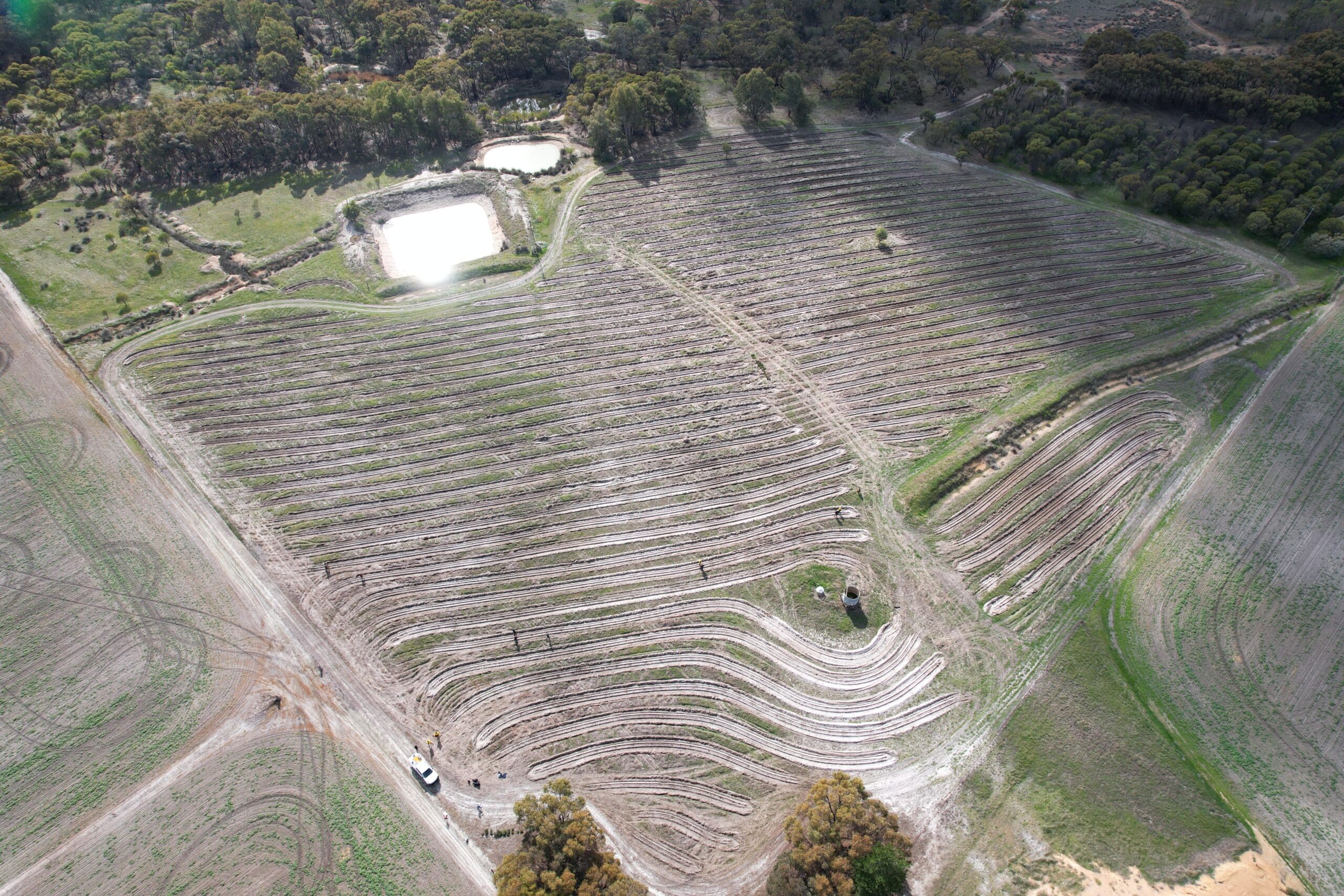
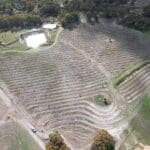
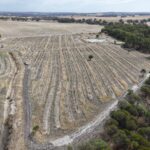
Talbot is located in the Wheatbelt region of Western Australia, within the local government area of York. The aim of this project is to revegetate and restore 8.5 hectares of the property with mixed local native vegetation.

Restoring this property aims to increase biodiversity and perennial ground cover, as well as attract threatened species such as Black Cockatoos by providing food sources and shelter. Alongside this, our planting plan aims to improve the water quality of the creek running through the property, benefiting both humans and animals alike.

Project overview

Latest news

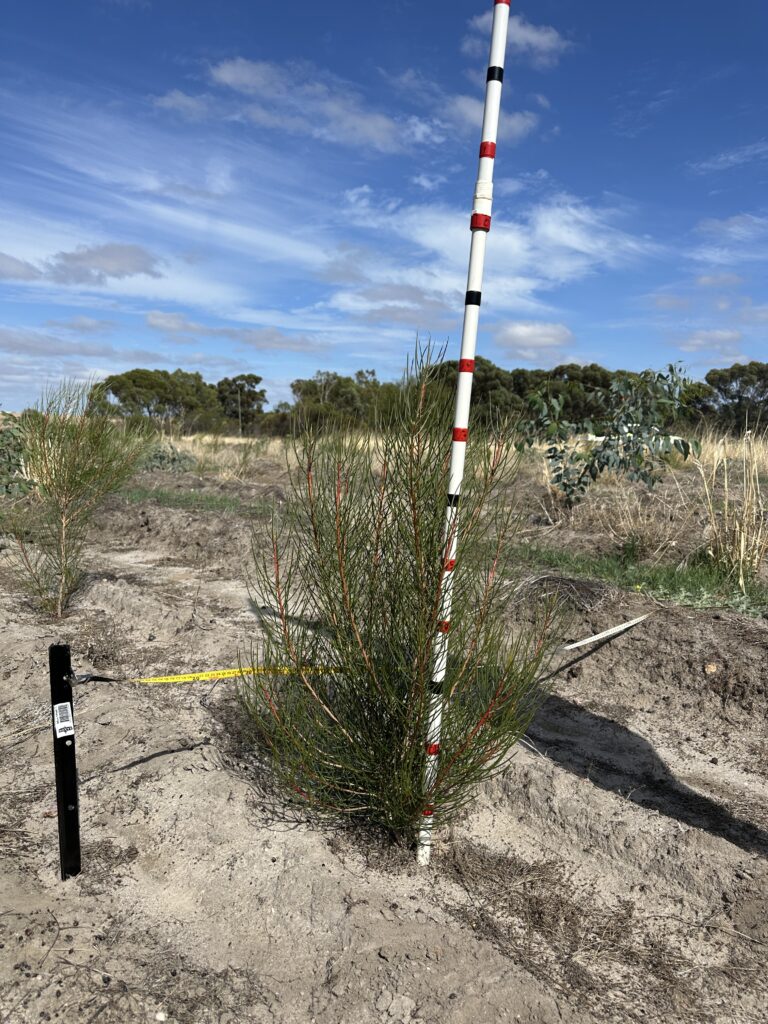
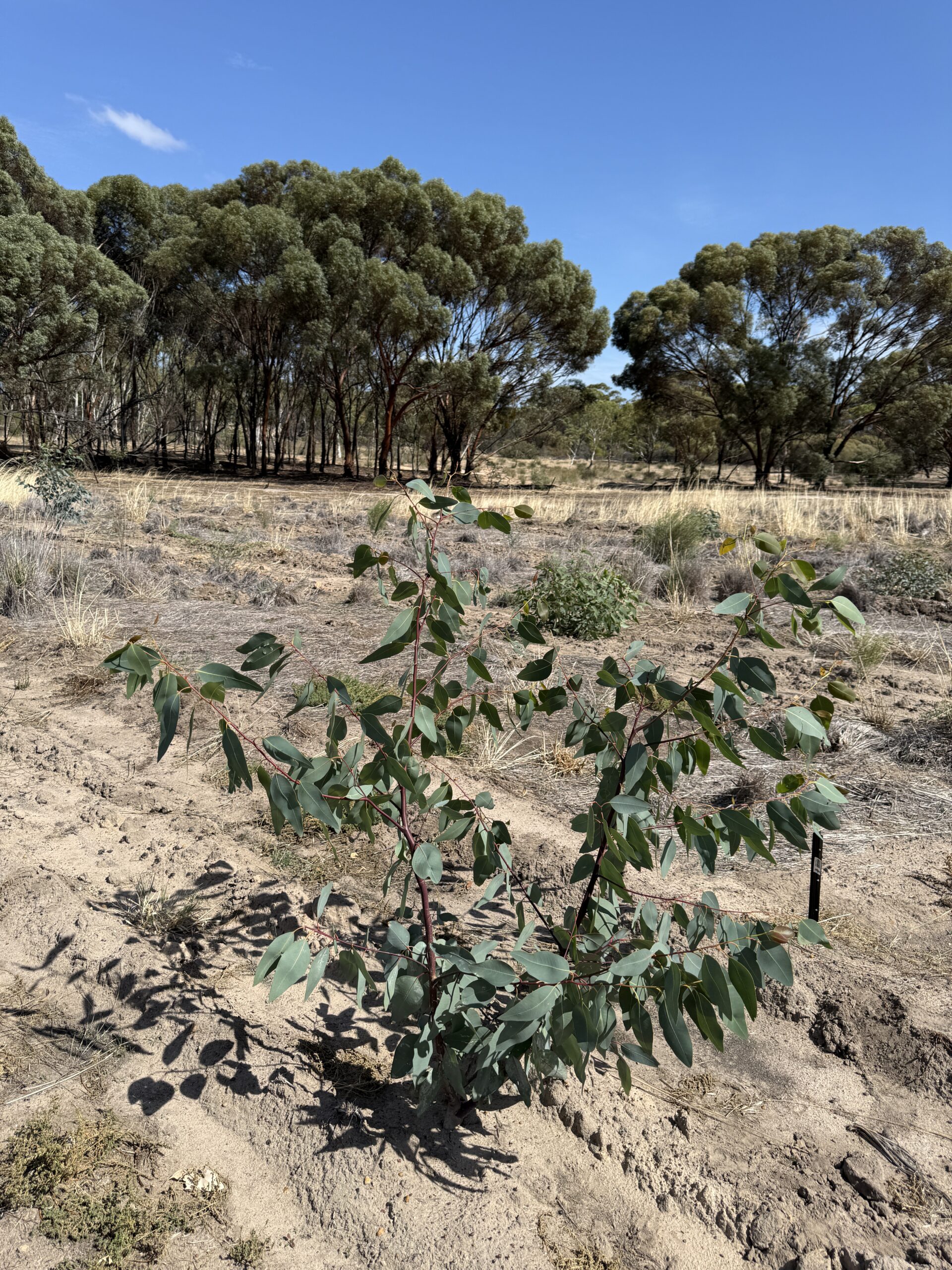
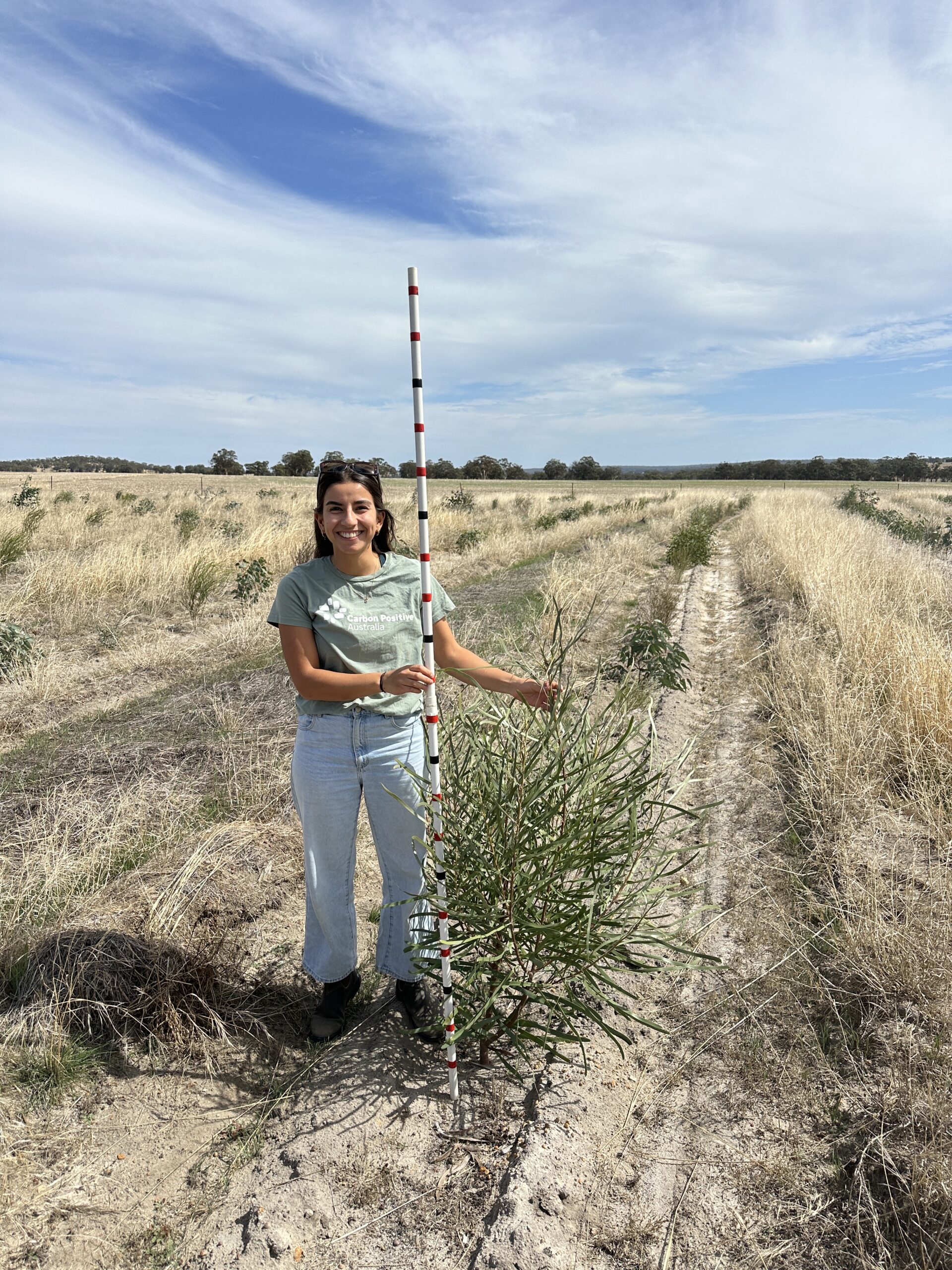
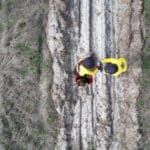
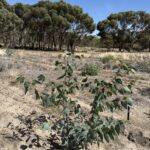
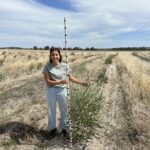
Tree with meausuring stick and plot marker

MONITORING

April 2025

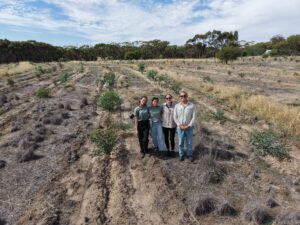
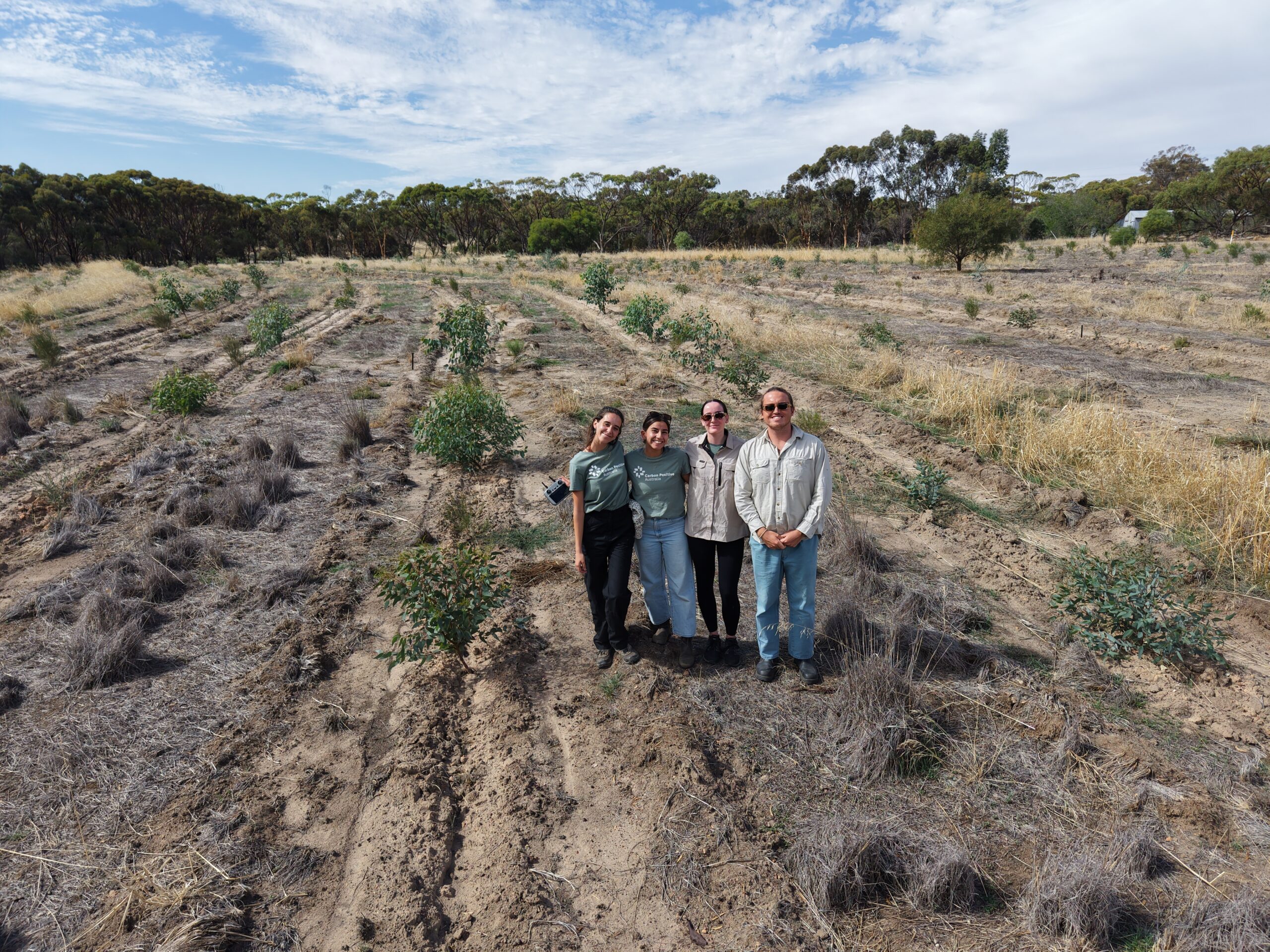
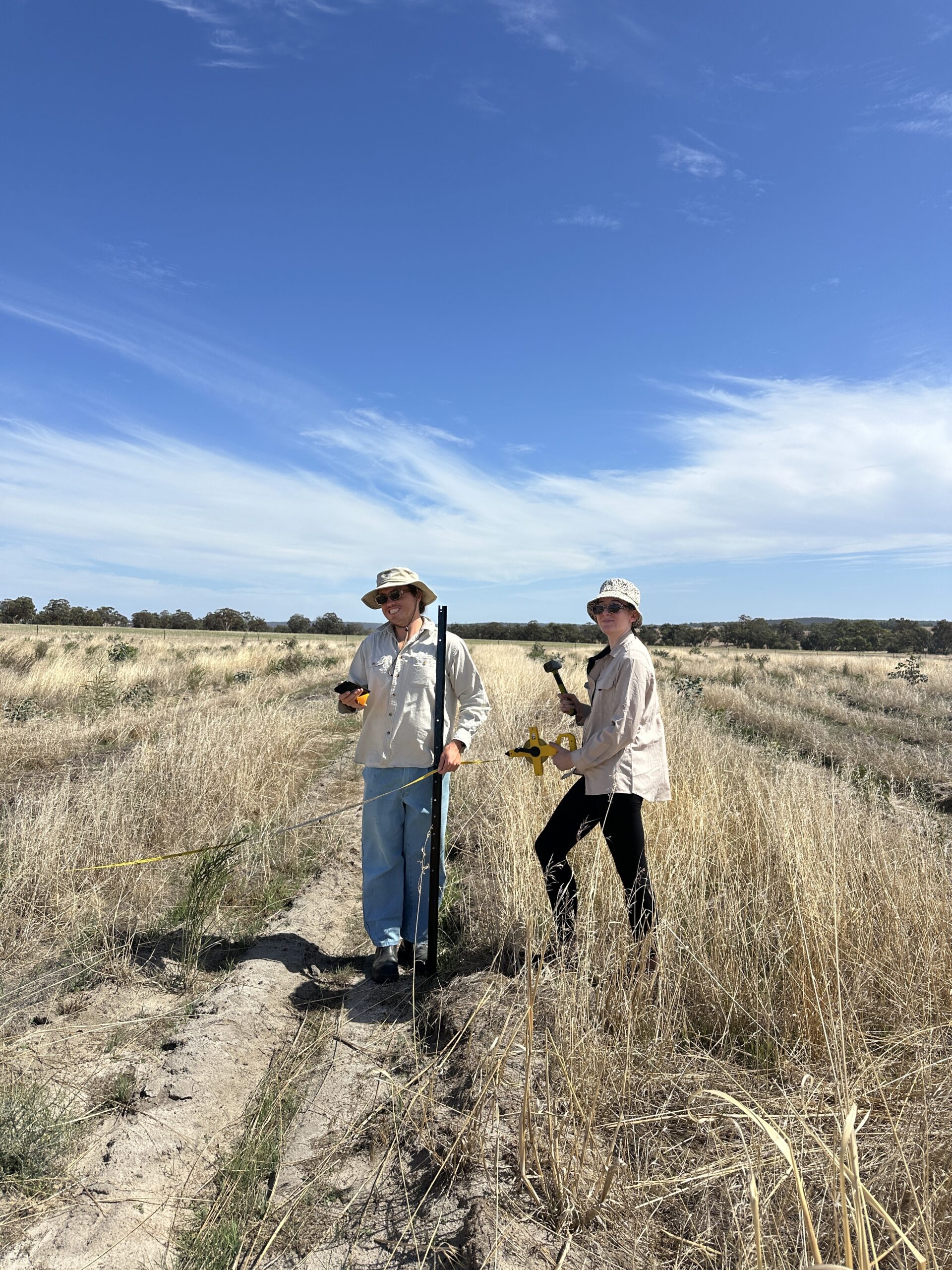
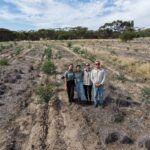
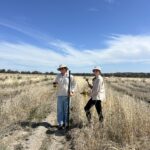
The RA team headed out to complete the first-year monitoring assessment. High establishment and excellent species diversity were observed across all plots, with an average density of 1,827 trees/hectare. The tallest tree measured was a Eucalyptus, reaching a height of 1.8 metres after only one year since planting. We’re excited to witness the continued growth and progress of this site in the years to come.

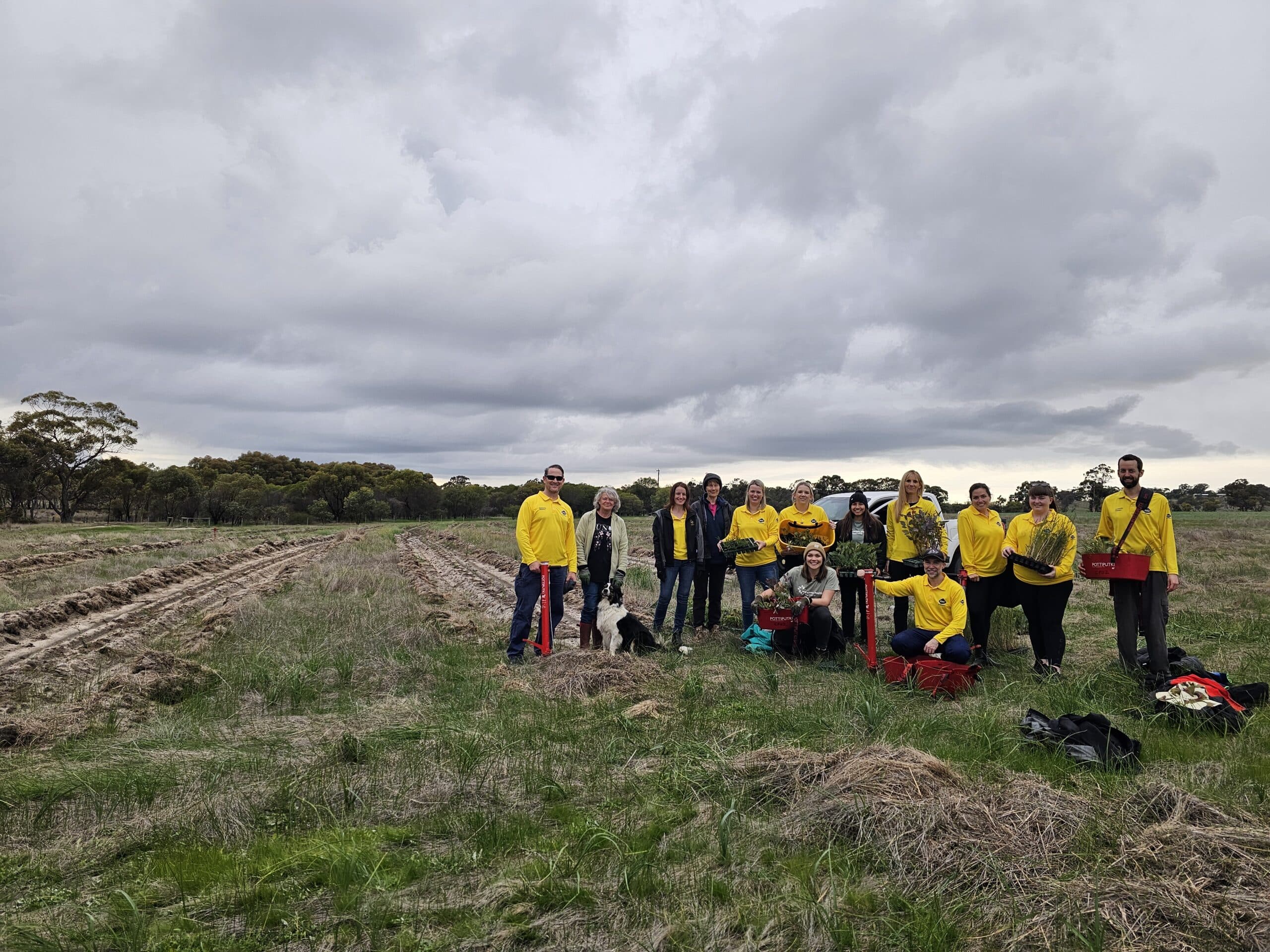
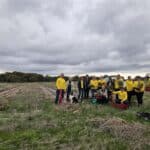
Group photo of people standing together in an empty field with planting rows.

Planting

June 2024

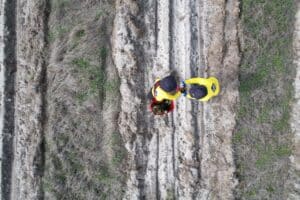
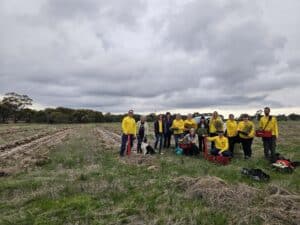
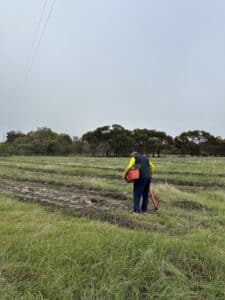
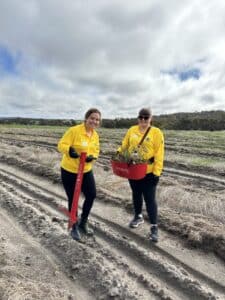
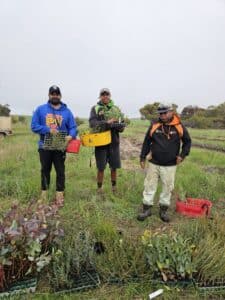
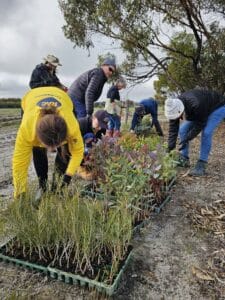
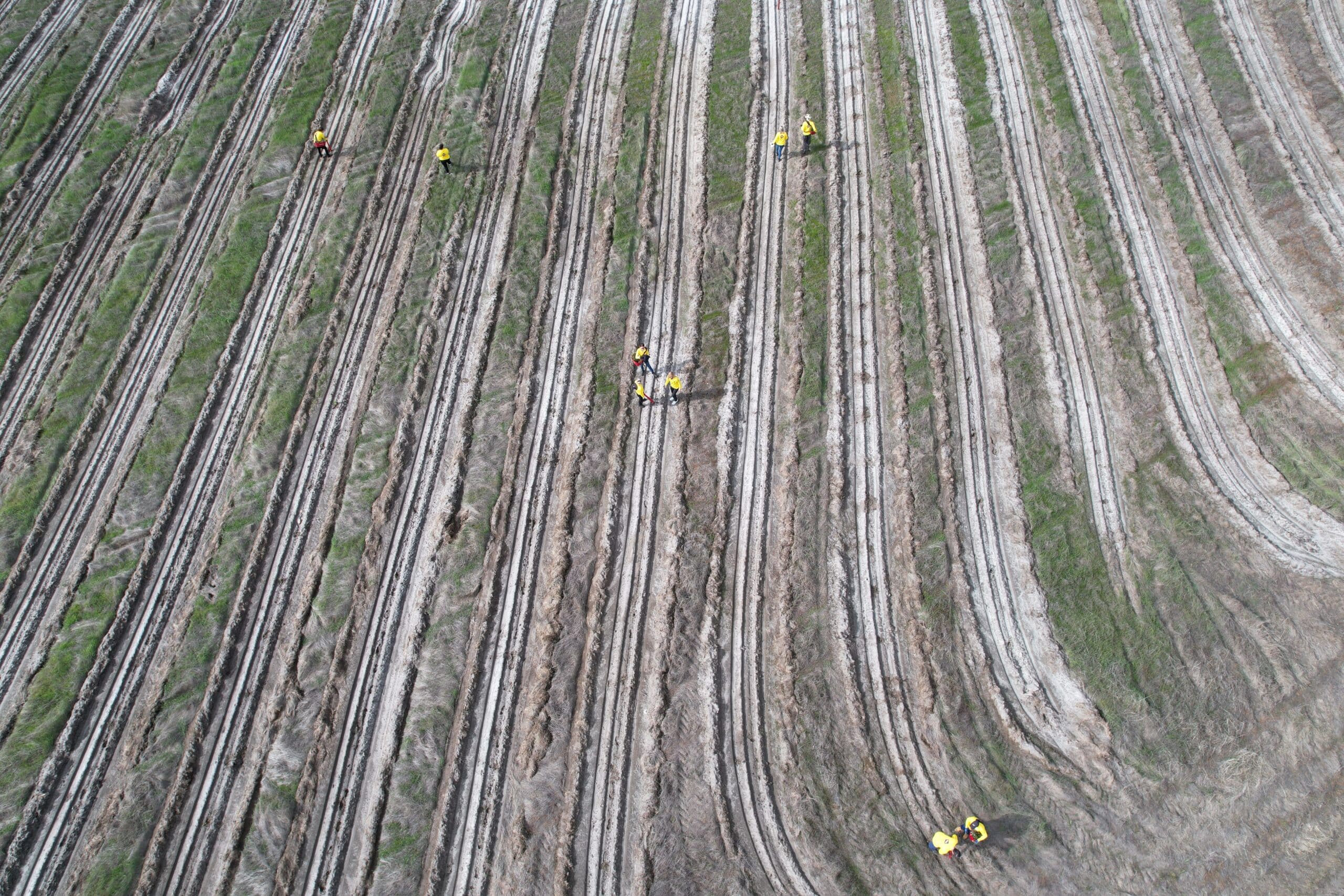
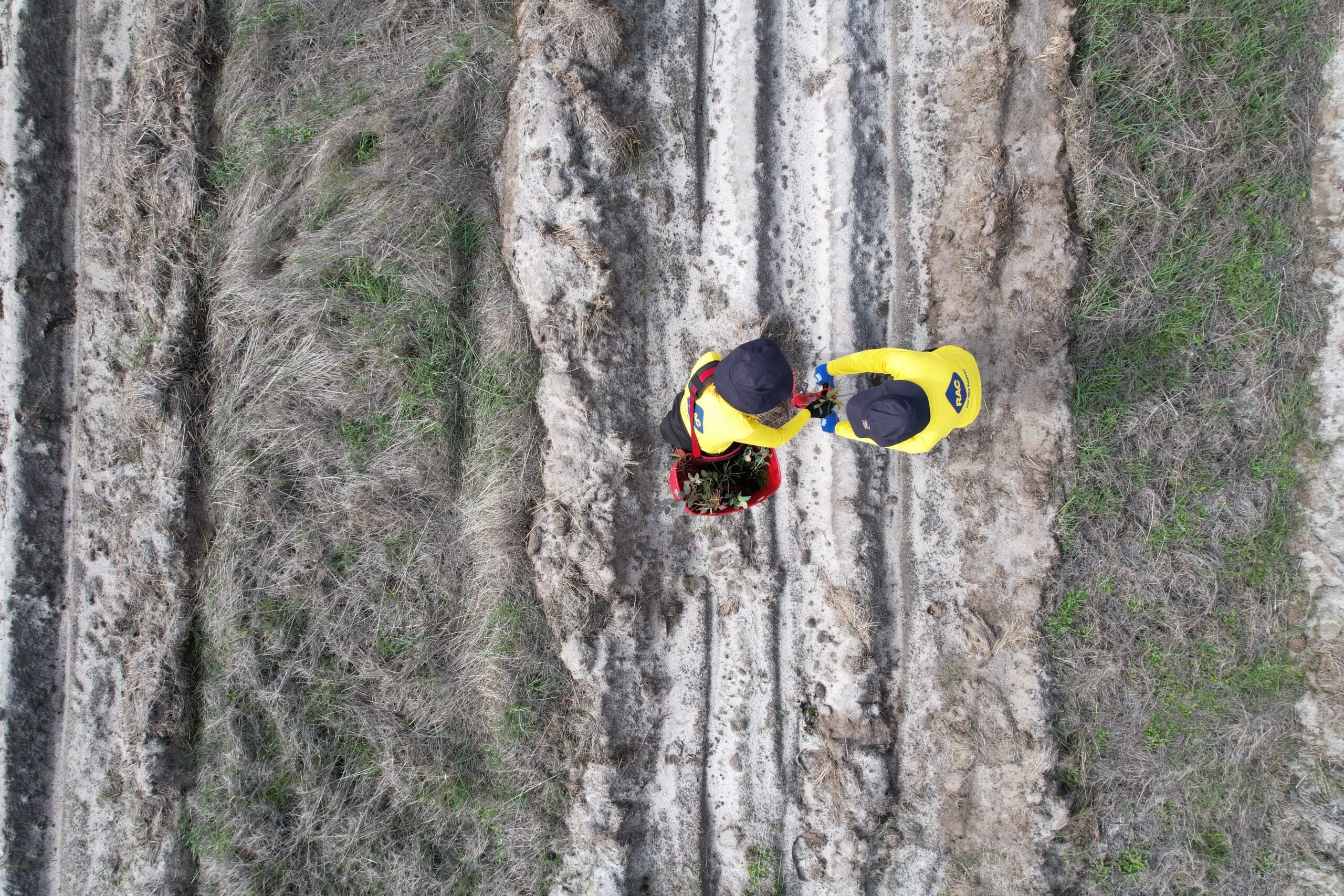
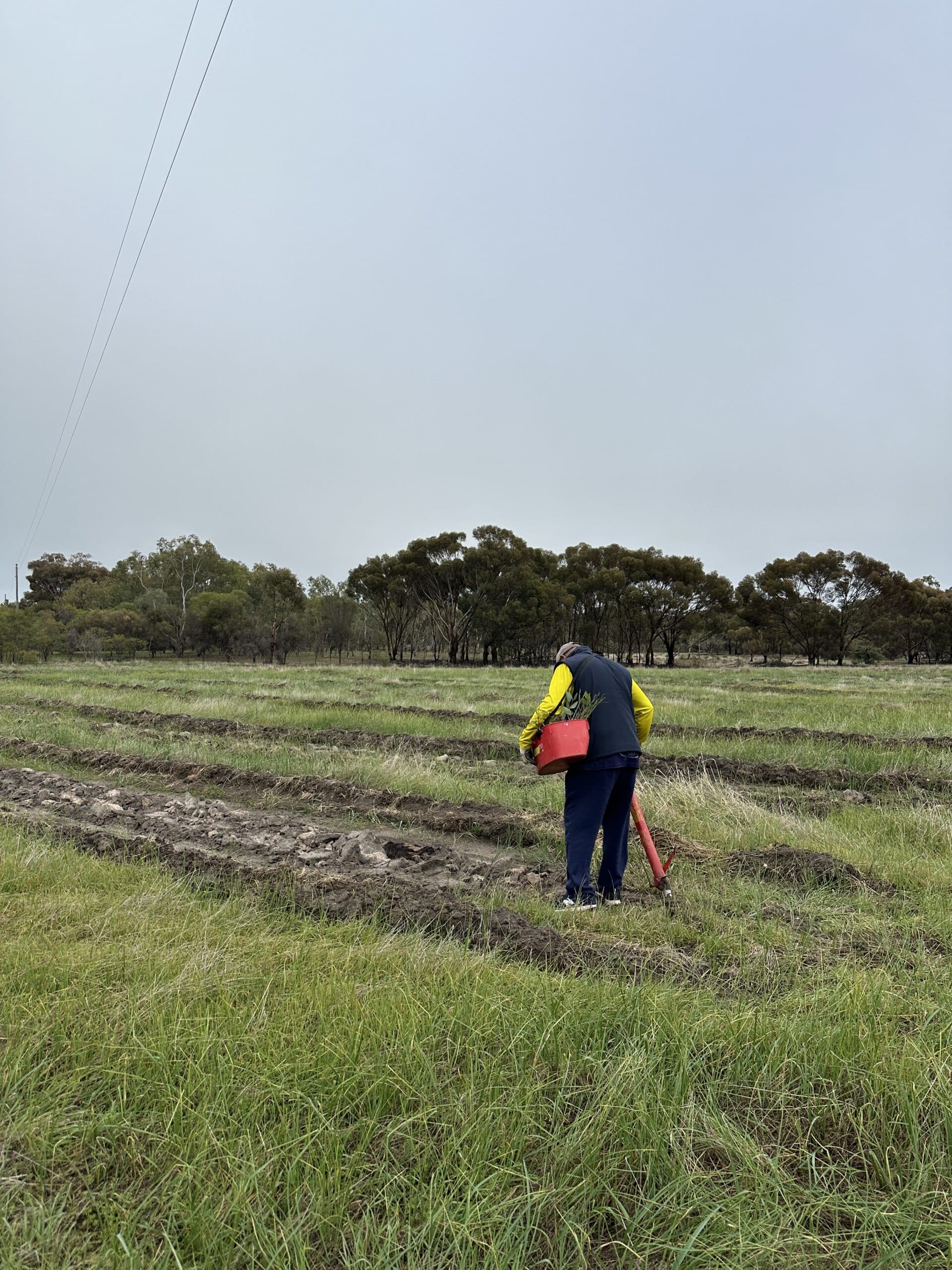
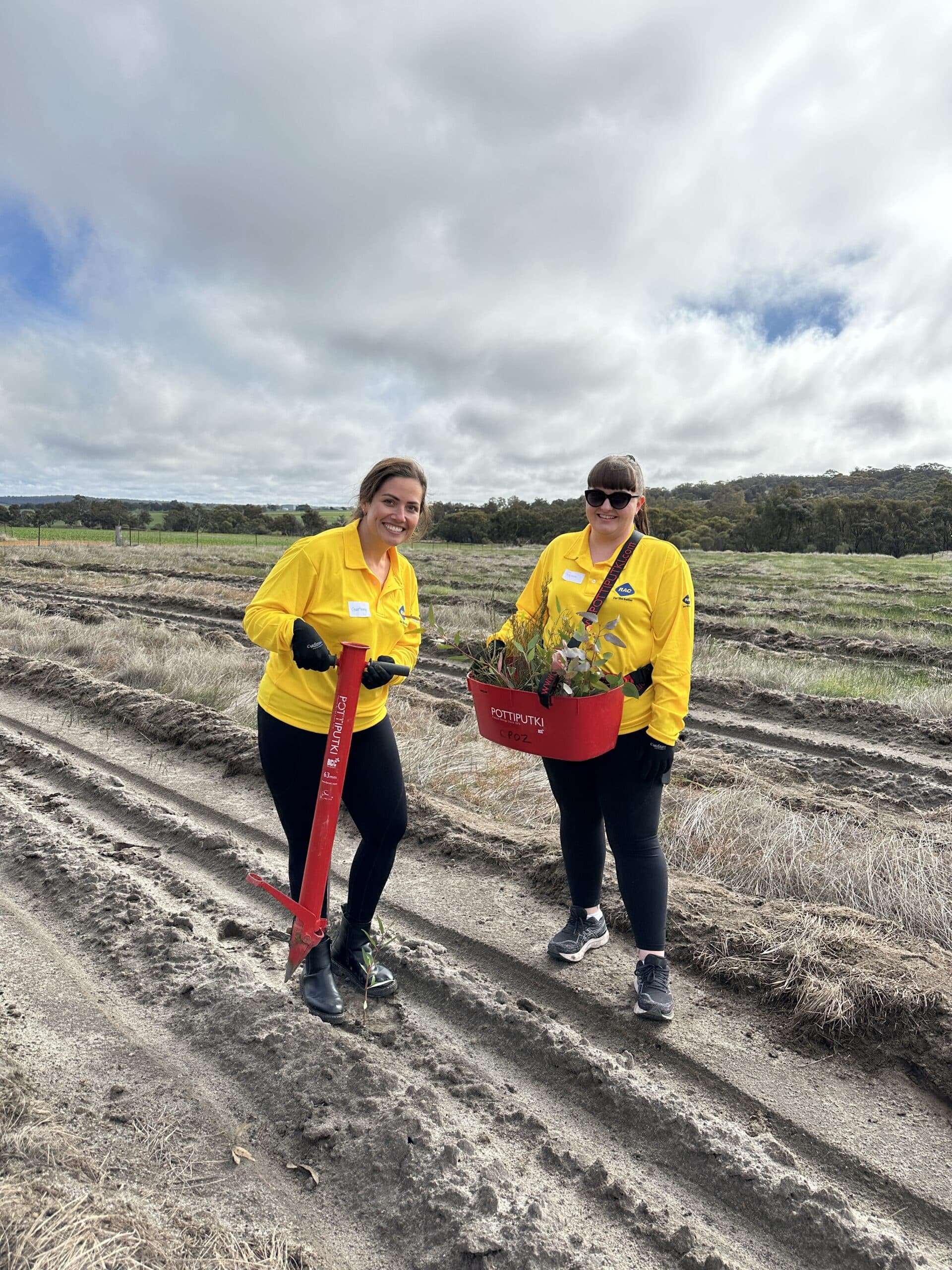
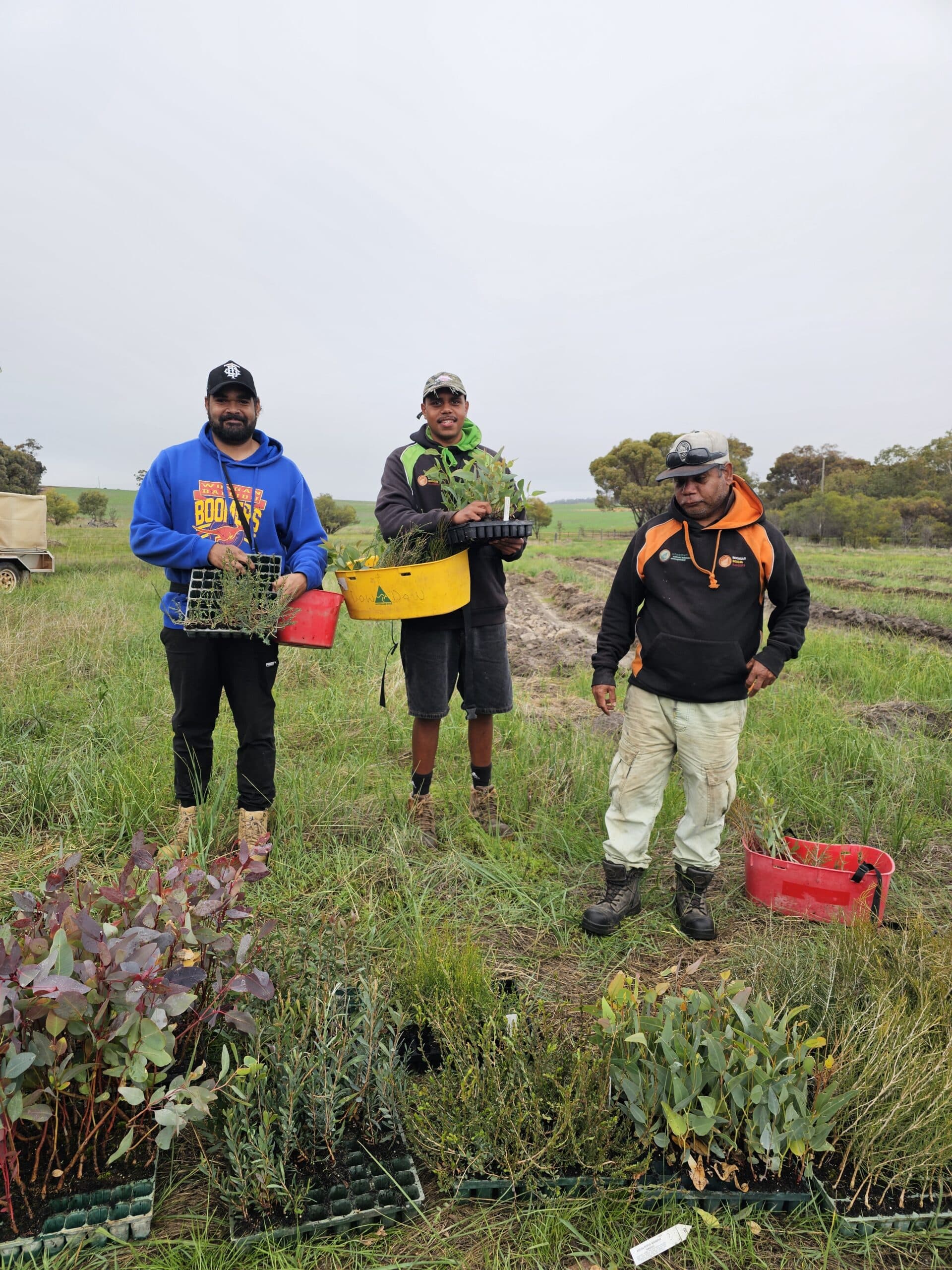
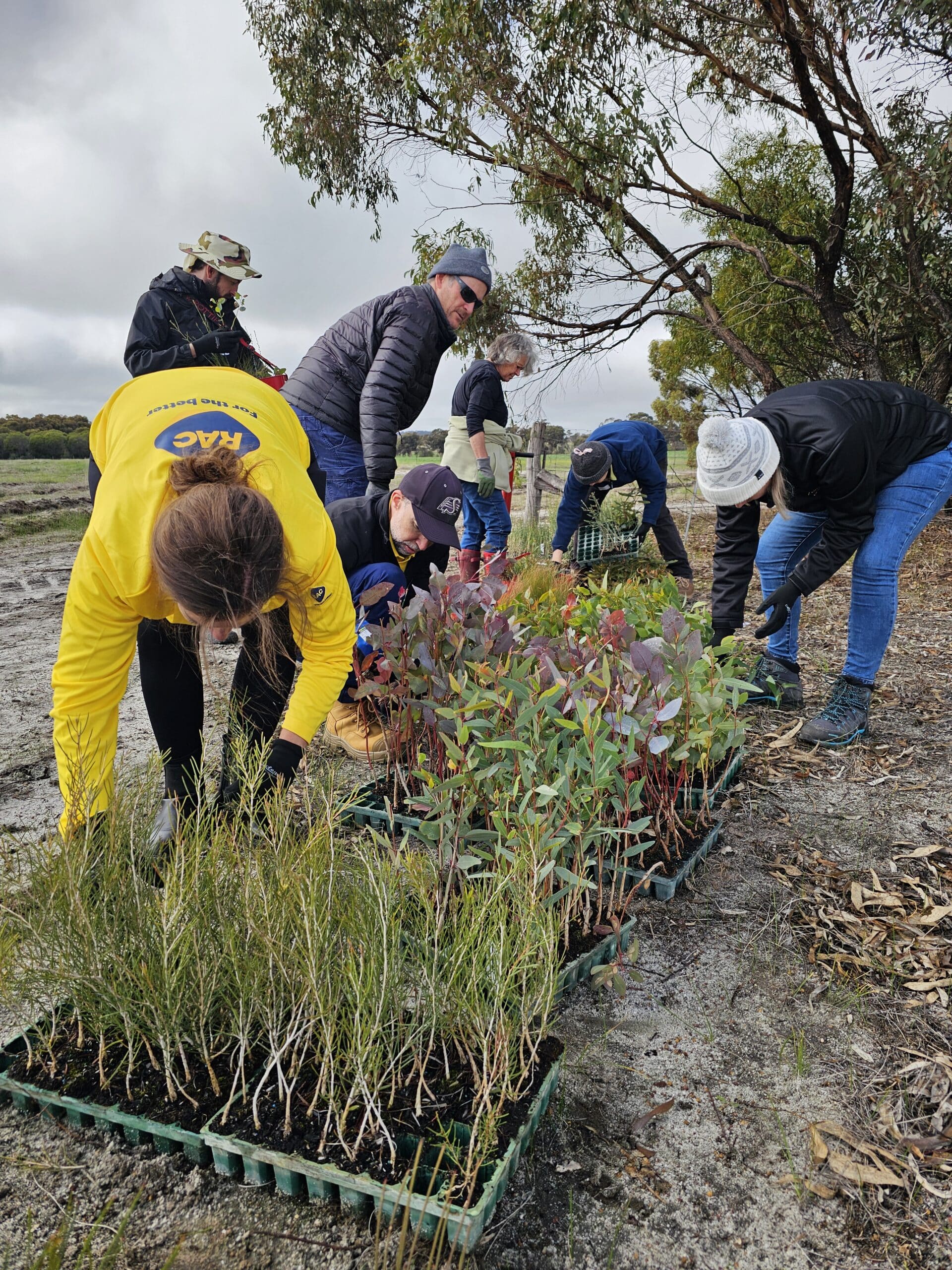
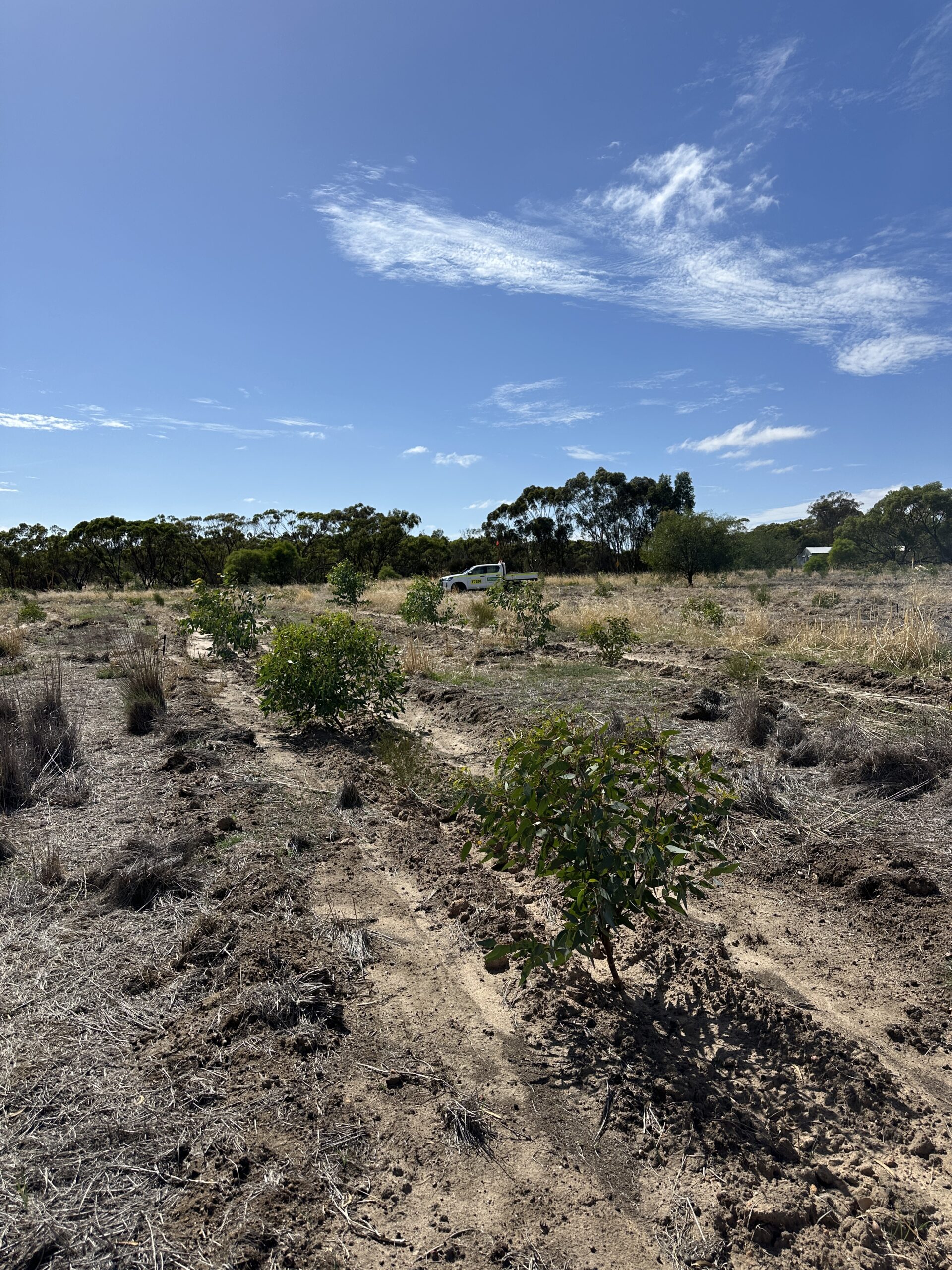
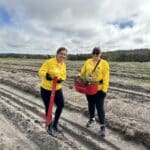
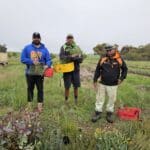
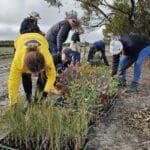
This winter we began the first year of planting with help from the landholders, the Wheatbelt NRM Noongar Boodja Rangers, volunteers from RACWA. Together we planted more than 5,700 seedlings across the site. As the seedlings grow and mature, they will provide critical habitat and food to support native fauna, including native birds such as Black Cockatoos. We look forward to planting more at this site in years to come.

Site Preparation

June 2024

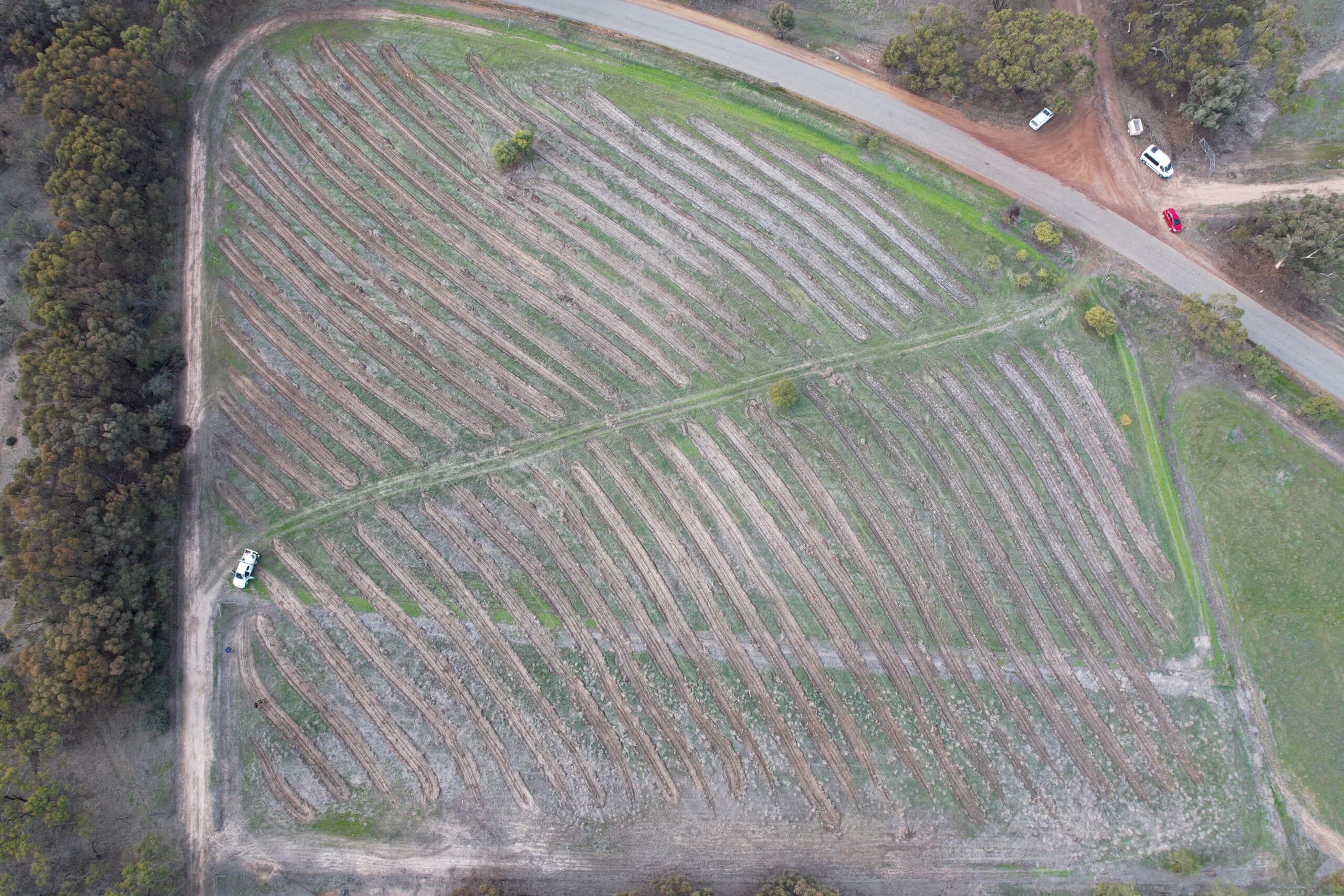
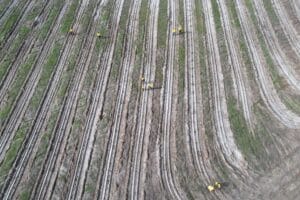
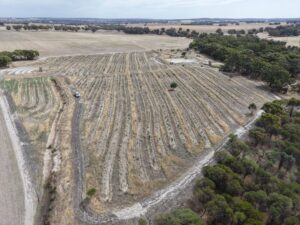
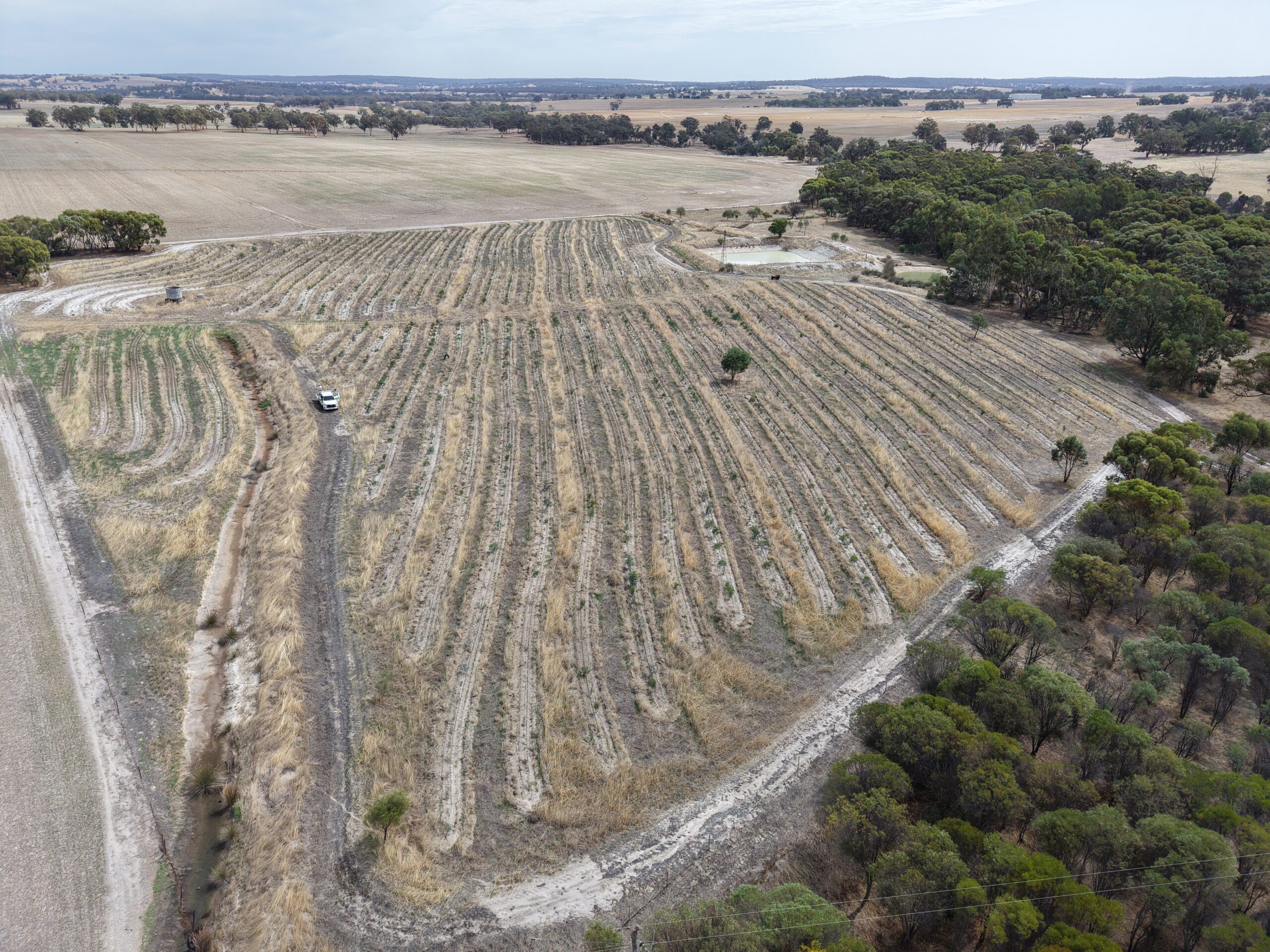
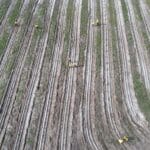
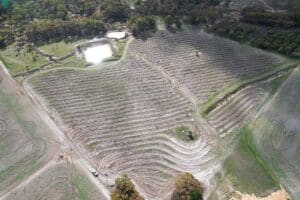
Under the guidance of Ros MacFarlane, the team from Workpower prepared the site for planting by scalping and ripping the soil to create planting rows. This process helps remove weeds from the seed bank and loosens the soil, promoting successful root establishment for seedlings. Additionally, the Wheatbelt NRM Noongar Boodja Rangers attended the site to perform weed management, reducing resource competition for the seedlings.

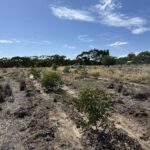
Talbot tree planting site

Site Assessment

January 2023

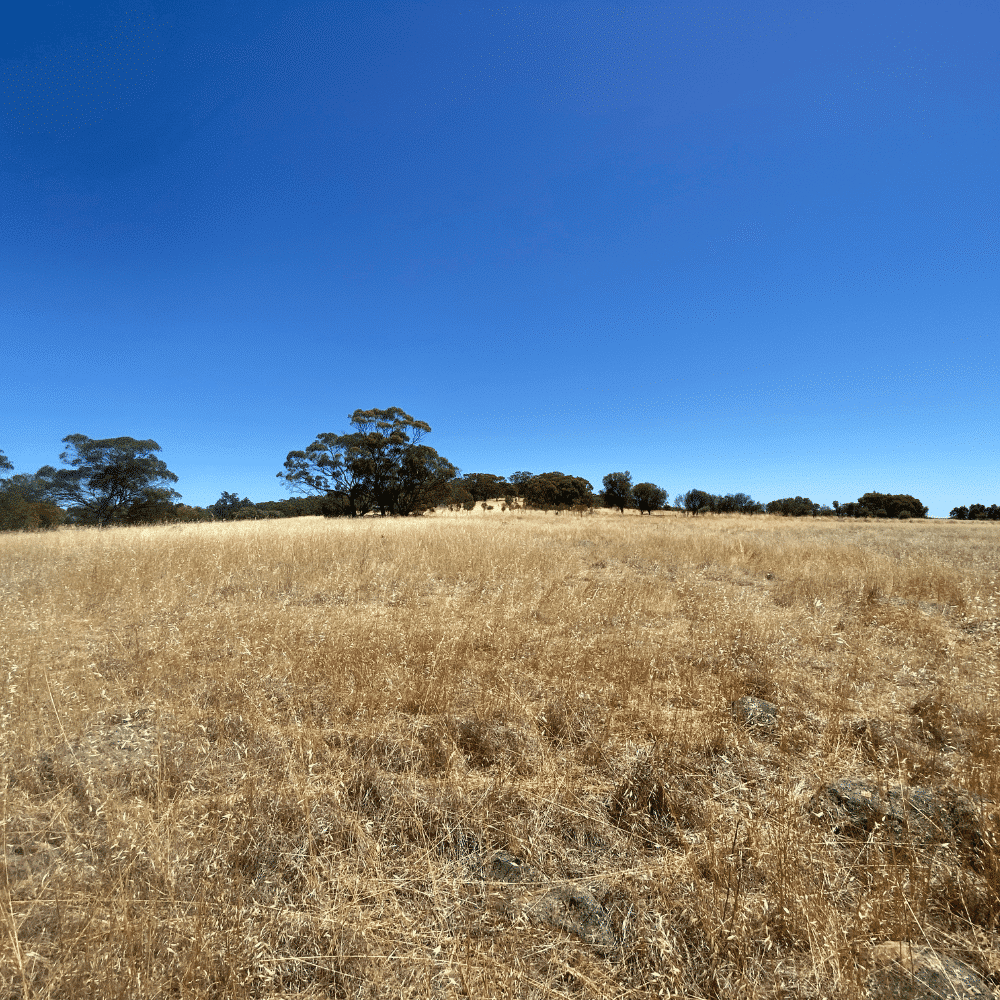
Ros MacFarlane headed out to the property for an initial site assessment to meet the landholder and understand the desired restoration outcomes. The species mix was designed to provide habitat for native fauna and replicate the site’s natural vegetation.

What we planted

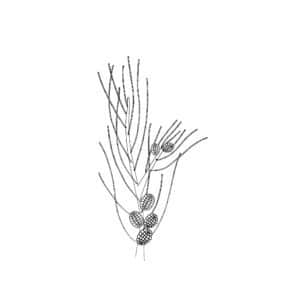
Acacia Illustration

Acacia

1 species
nitrogen fixing​
hardwood tree
frost-tolerant

Allocasuarina

1 species
nitrogen fixing​
hardwood tree
frost-tolerant

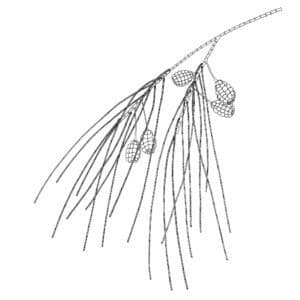
Casuarina

1 species
salt and drought tolerant
attracts native birds
nitrogen converter

Eucalyptus

6 species
fast maturing tree
utilised for canopy cover
high survivability in nutrient-poor soils
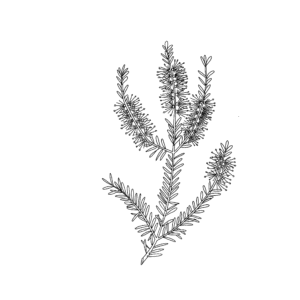
Melaleuca Illustration

Melaleuca

4 species
tree and shrub form
food source for native fauna
fire-adapted
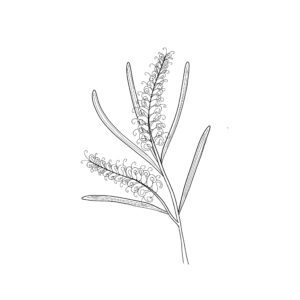
Illustration of a Hakea

Hakea

2 species
hardy shrub
excellent habitat for birds
fire-adapted (germination)
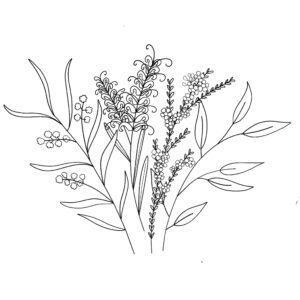
Native species illustration

Other

6 species
native to area
increase biodiveristy
understorey and canopy cover

Project gallery
Shopping Cart